





 Isolation
Isolation
Isolation
UK 1973
SOLD OUT
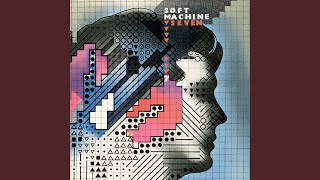
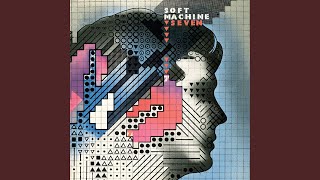
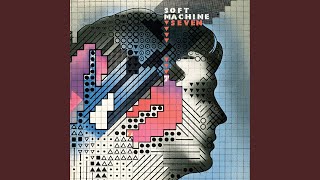
Seven
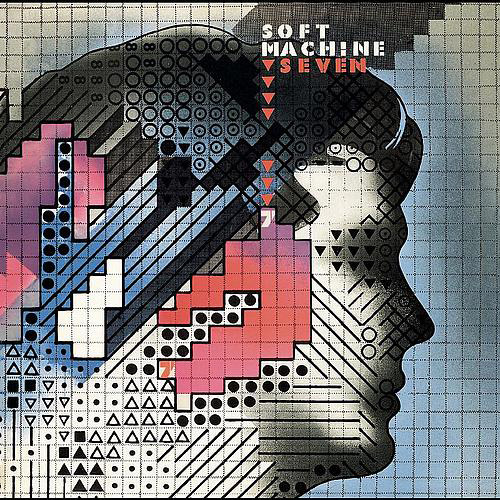

Soft Machine's album "Seven" was released in October 1973 under CBS Records. This album marked a new chapter for the band, being their first release featuring Roy Babbington as a full-time member. Babbington replaced Hugh Hopper, who had been a significant contributor to the band's sound. Babbington had previously played bass on the band's earlier albums but officially joined the lineup for this release.
The majority of the compositions on "Seven" were crafted by Karl Jenkins, who took on an increasingly central role as the band's creative leader. The album features a mix of compositions from Jenkins and contributions from Mike Ratledge, with one track composed by drummer John Marshall. The varied styles present in the album reflect Soft Machine's blend of rock and jazz influences, characteristic of the jazz-rock genre.
Musically, "Seven" showcases a diverse array of sounds, including the use of oboe, saxophones, electric piano, and synthesizers. The instrumental arrangements are intricate, allowing each member to exhibit their musicianship effectively. Tracks like "Nettle Bed" and "Carol Ann" highlight Jenkins' ability to weave complex melodies with engaging rhythms. Ratledge's contributions, such as "Day's Eye" and "Bone Fire," provide a different texture, focusing on the band's progressive rock roots.
The album was engineered by Gary Martin, with production handled by Soft Machine itself. Recorded at CBS Studios in London in July 1973, the album reflects the band's dynamic evolution during this period. With a total of ten tracks, the album runs through various themes and motifs, showcasing a blend of short pieces and more extended explorations of sound.
In addition to Jenkins, Ratledge, and Babbington, the album features John Marshall on drums and percussion. The technical team included tape operators Chris Michie and Steve Taylor, contributing to the album's polished production. The collaborative effort of these musicians is evident throughout the recordings.
While each track offers something unique, "Penny Hitch" stands out with its length and depth, featuring extended instrumental sections. Additionally, "Snodland" and "The German Lesson" provide brief interludes that break up the album's flow, adding variety to the listening experience. The album concludes with "The French Lesson," a short piece that leaves a lasting impression.
"Seven" was released in 1973 and is available in vinyl format.
| A1 | Nettle Bed Composed By – Karl Jenkins | 4:47 |
| A2 | Carol Ann Composed By – Karl Jenkins | 3:48 |
| A3 | Day's Eye Composed By – Mike Ratledge | 5:05 |
| A4 | Bone Fire Composed By – Mike Ratledge | 0:32 |
| A5 | Tarabos Composed By – Mike Ratledge | 4:32 |
| A6 | D.I.S. Composed By – John Marshall | 3:02 |
| B1 | Snodland Composed By – Karl Jenkins | 1:50 |
| B2 | Penny Hitch Composed By – Karl Jenkins | 6:40 |
| B3 | Block Composed By – Karl Jenkins | 4:17 |
| B4 | Down The Road Composed By – Karl Jenkins | 5:48 |
| B5 | The German Lesson Composed By – Mike Ratledge | 1:53 |
| B6 | The French Lesson Composed By – Karl Jenkins | 1:01 |
SOLD OUT


 Isolation
Isolation
Isolation
 Savoy
Lied Cu Fluturi
Savoy
Lied Cu Fluturi
 Camel
Breathless
Camel
Breathless
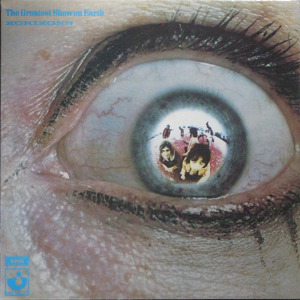 The Greatest Show On Earth
Horizons
The Greatest Show On Earth
Horizons
 Brand X
Masques
Brand X
Masques
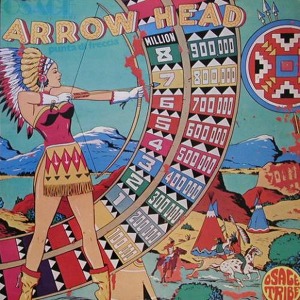 Osage Tribe
Arrow Head
Osage Tribe
Arrow Head
 Pierre Moerlen's Gong
Leave It Open
Pierre Moerlen's Gong
Leave It Open
 Stig & Steen
Da Solen Kom
Stig & Steen
Da Solen Kom
 Omega
Omega
Omega
Omega
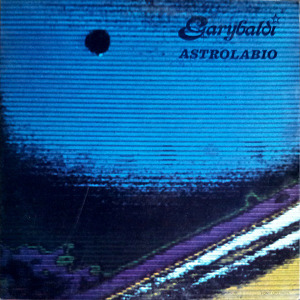 Garybaldi
Astrolabio
Garybaldi
Astrolabio
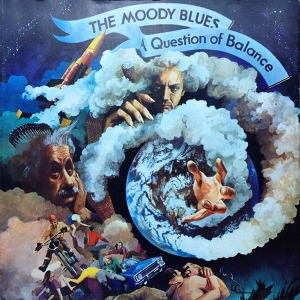 Moody Blues
A Question Of Balance
Moody Blues
A Question Of Balance
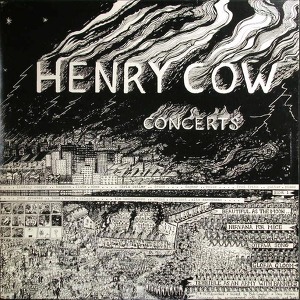 Henry Cow
Concerts
Henry Cow
Concerts