


 Kebnekajse
Kebnekaise II
Kebnekajse
Kebnekaise II
Sweden 1973
SOLD OUT
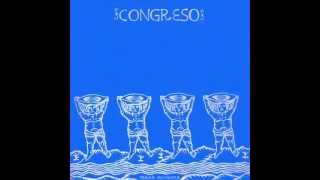
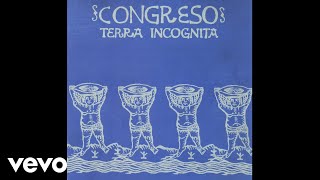
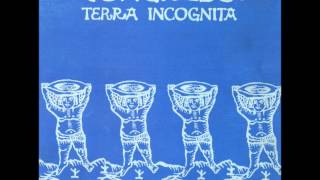
Terra Incognita
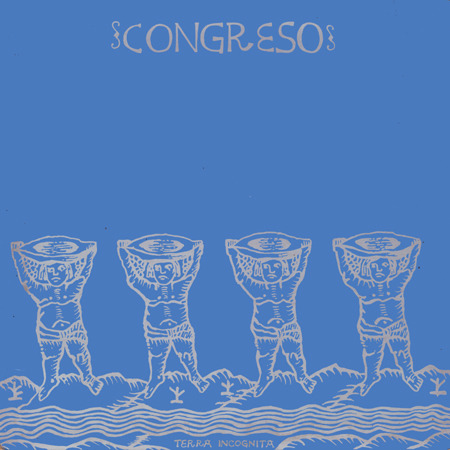

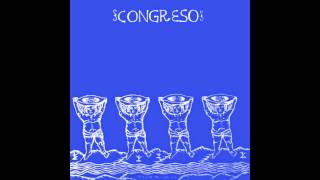
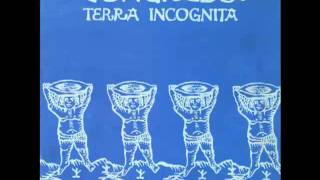
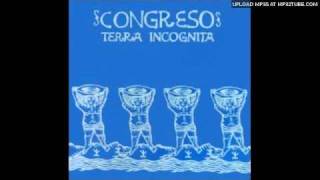
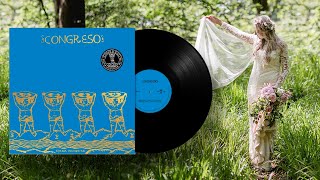
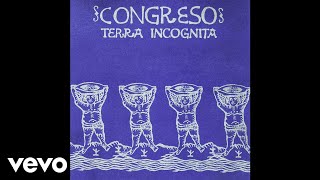
Released in 1975 by the Chilean band Congreso, Terra Incognita presents a unique blend of Andean folk and rock elements. The album was issued on London Records under the catalog number SLLC-38683 and was later distributed by EMI Odeon Chilena. Its release followed a period of delay due to the military coup in September 1973 that overthrew President Salvador Allende. The pressing run was limited to fewer than a thousand copies, making it a rare find for collectors.
Terra Incognita features a diverse range of instrumentation. The album prominently includes traditional Andean instruments such as the charango, quena, and rondador panpipes. These elements are played by musicians Patricio Acuña, Francisco Sazo, and Renato Vivaldi. The rock influence is evident through the contributions of Fernando González and Sergio González, who provide guitar, bass, and percussion. The cello played by Patricio González adds depth to the arrangements. The album consists mostly of original compositions, with key tracks penned by Fernando González, Francisco Sazo, and Sergio González.
Among the highlighted tracks is "El Torito," which is an arrangement of a traditional melody. This choice highlights the band's commitment to integrating cultural roots into their contemporary sound. Other tracks feature a mix of lyrical content and rhythmic diversity, showcasing the band's ability to fuse different musical styles. The collaboration between the band members is evident, with each contributing their unique talents to the overall sound.
The production of Terra Incognita was overseen by engineer Alfredo Auad R. The artistic direction was handled by Jorge Oñate S., ensuring a cohesive vision throughout the album. The album also features photography by Michael Jones, which complements the artistic style of the record. This combination of talents has led to a distinctive sound that reflects the cultural landscape of Chile during the 1970s.
As a piece of musical history, Terra Incognita offers insight into the creative responses of artists during a time of political upheaval in Chile. The album's release in 1975 serves as an important marker in the evolution of Latin music, illustrating the integration of traditional sounds with modern influences.
The album was pressed on vinyl as an LP format.
| A1 | ¿Dónde Estarás? Written-By – Fernando GonzálezWritten-By – Francisco Sazo | |
| A2 | Romance Written-By – Fernando GonzálezWritten-By – Francisco Sazo | |
| A3 | Los Maldadosos Written-By – Francisco SazoWritten-By – Sergio González | |
| A4 | Canción De La Verónica Written-By – F. González*Written-By – Renato VivaldiWritten-By – Verónica Doerr | |
| A5 | El Torito Written-By – Tradicional* | |
| A6 | Tus Ojitos Written-By – Fernando González | |
| B1 | Juego Written-By – Francisco SazoWritten-By – Sergio González | |
| B2 | Quenita Violín Written-By – Fernando González | |
| B3 | Vuelta Y Vuelta Written-By – Sergio González | |
| B4 | En El Río Perdí La Voz Written-By – Sergio González | |
| B5 | Canción De Boda Written-By – Fernando GonzálezWritten-By – Francisco Sazo | |
| B6 | Canción Del Reposo Written-By – Fernando HurtadoWritten-By – Francisco Sazo |
SOLD OUT


 Kebnekajse
Kebnekaise II
Kebnekajse
Kebnekaise II
 Canzoniere Del Lazio
Quando Nascesti Tune
Canzoniere Del Lazio
Quando Nascesti Tune
 Kebnekajse
Ljus Från Afrika
Kebnekajse
Ljus Från Afrika
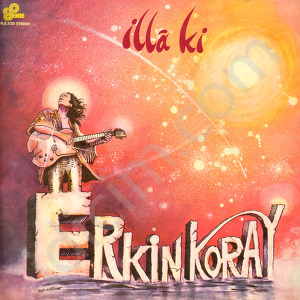 Erkin Koray
Illa Ki
Erkin Koray
Illa Ki
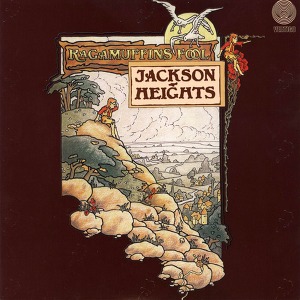 Jackson Heights
Ragamuffins Fool
Jackson Heights
Ragamuffins Fool
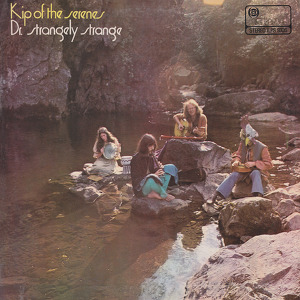 Dr. Strangely Strange
Kip Of The Serenes
Dr. Strangely Strange
Kip Of The Serenes
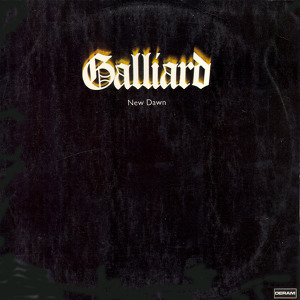 Galliard
New Dawn
Galliard
New Dawn
 Janet Jones
Sing To Me Lady
Janet Jones
Sing To Me Lady
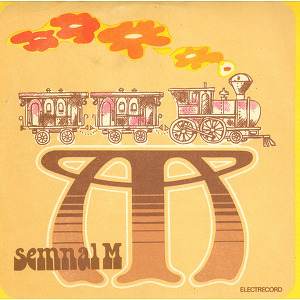 Semnal M
Trenul Cursă De Persoane Apahida - Cluj-Napoca
Semnal M
Trenul Cursă De Persoane Apahida - Cluj-Napoca
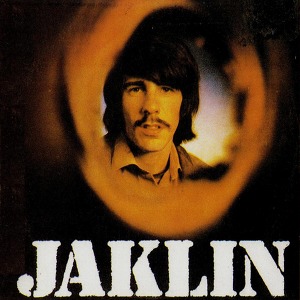 Jaklin
Jaklin
Jaklin
 Hillow Hammet
Hammer
Hillow Hammet
Hammer
 Quarteto 1111
Onde, Quando, Como, Porquê Cantamos Pessoas Vivas
Quarteto 1111
Onde, Quando, Como, Porquê Cantamos Pessoas Vivas