



 Pierre Moerlen's Gong
Leave It Open
Pierre Moerlen's Gong
Leave It Open
Germany 1981
SOLD OUT
Magma
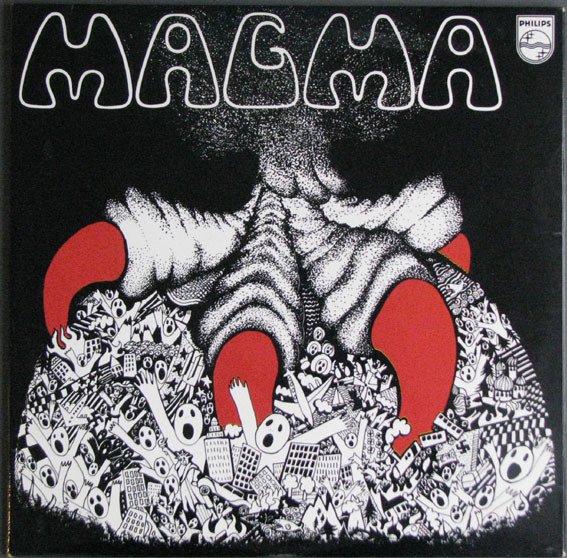


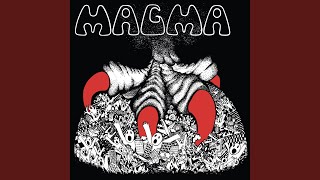
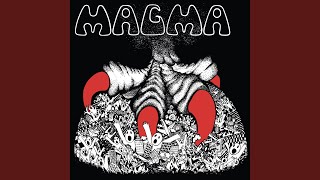
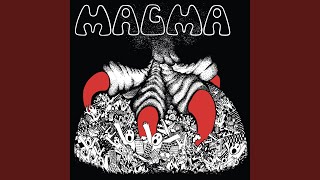
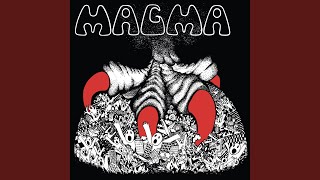
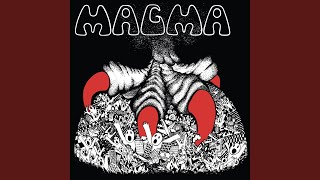
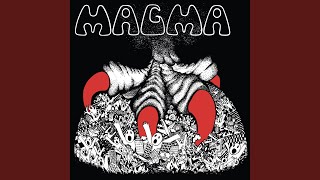
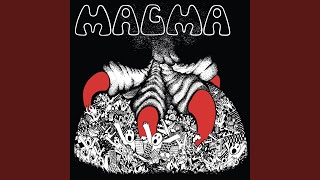
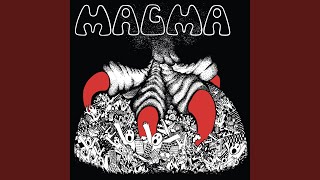
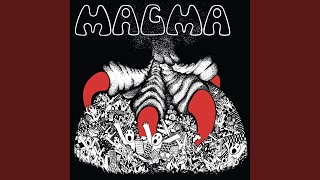
Magma, a French band formed in Paris in 1969, released their debut album in 1970 under the Philips label. The album, often referred to as "Kobaia," is a double LP that encapsulates the band's unique fusion of jazz, rock, and avant-garde elements. The group was founded by drummer and vocalist Christian Vander, who sought to create a new musical language inspired by his experiences in the jazz scene and the works of great artists like John Coltrane.
The album presents a concept narrative about a group of individuals leaving a dying Earth to settle on the fictional planet Kobaia. Most of the lyrics are written in Kobaian, a language invented by Vander specifically for this project. Only the opening track features English lyrics, showcasing the band's commitment to their thematic vision. This deliberate choice of language adds a layer of complexity and intrigue to the listening experience.
Across its ten tracks, the album demonstrates a rich tapestry of musical influences. The compositions feature contributions from band members such as Claude Engel, Francois Cahen, and Teddy Lasry, each bringing their expertise to the fusion of genres. The album is characterized by intricate rhythms, complex time signatures, and a blend of jazz improvisation with rock sensibilities. Vander's drumming is particularly notable, drawing from his jazz roots while also crafting a sound that is distinctly Magma.
Prior to the album's release, the band dedicated three months to intensive rehearsal in a secluded house in the Vallée de Chevreuse. This focused environment allowed them to develop their sound and integrate their individual skills as musicians. The production was overseen by Laurent Thibault, with engineering by Claude Martenot and Roger Roche, ensuring a polished final product that highlighted the band's innovative approach to music.
The album features a diverse lineup of musicians, including Klaus Blasquiz on vocals, Francis Moze on electric and contrabass, and Alain Charlery on trumpet and percussion. Each member played a crucial role in shaping the album's sound. The collaboration among these musicians resulted in a complex and layered listening experience that reflects their collective talents.
Among the standout tracks are "Kobaia," which sets the thematic stage for the album, and "Nau Ektila," which showcases extended musical explorations. Each track contributes to the overarching narrative, weaving together the band's ambitious vision. The album's closing track, "Muh," serves as a fitting conclusion to the journey presented throughout the record.
Magma's self-titled album, also known as "Kobaia," was released in 1970 as a double LP by Philips. The album consists of ten tracks composed primarily by Christian Vander.
| A1 | Kobaia | 10:15 |
| A2 | Aïna | 6:15 |
| A3 | Malaria | 4:20 |
| B1 | Sohïa | 7:35 |
| B2 | Sckxyss | 3:47 |
| B3 | Auraë | 10:56 |
| C1 | Thaud Zaia | 7:06 |
| C2 | Naü Ektila | 12:55 |
| D1 | Stoah | 8:05 |
| D2 | Mûh | 11:13 |
SOLD OUT


 Pierre Moerlen's Gong
Leave It Open
Pierre Moerlen's Gong
Leave It Open
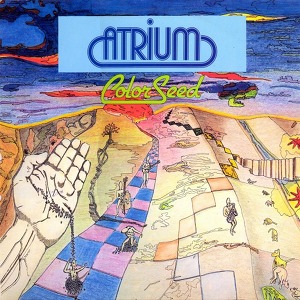 Atrium
Color Seed
Atrium
Color Seed
 Il Baricentro
Sconcerto
Il Baricentro
Sconcerto
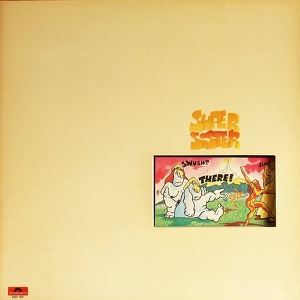 Supersister
Pudding En Gisteren
Supersister
Pudding En Gisteren
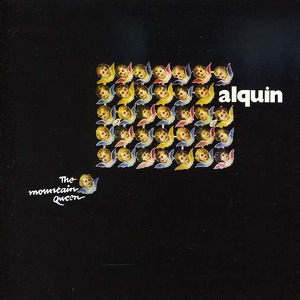 Alquin
The Mountain Queen
Alquin
The Mountain Queen
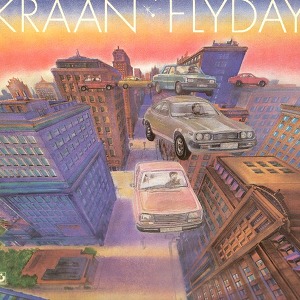 Kraan
Flyday
Kraan
Flyday
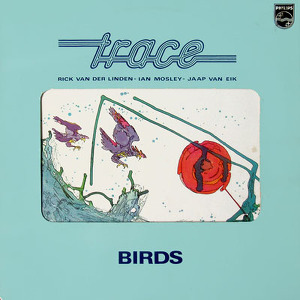 Trace
Birds
Trace
Birds
 The Web
Fully Interlocking
The Web
Fully Interlocking
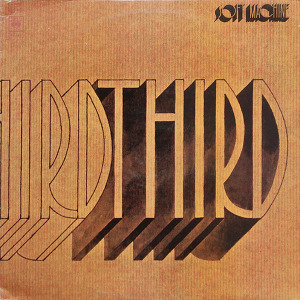 Soft Machine
Third
Soft Machine
Third
 Syncrisis
Reflections In Musical Power
Syncrisis
Reflections In Musical Power
 Brand X
Masques
Brand X
Masques
 Elastic Rock Band
Faruk's Traum
Elastic Rock Band
Faruk's Traum