


 Freedom
Nerosubianco
Freedom
Nerosubianco
Italy 1968
SOLD OUT
Aquila
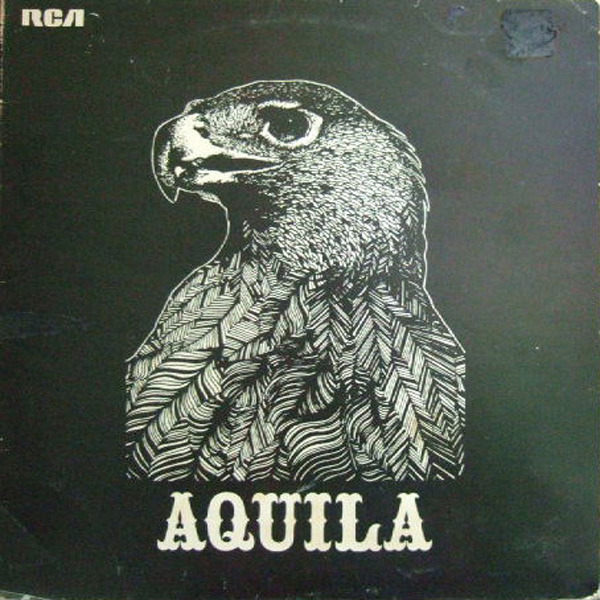

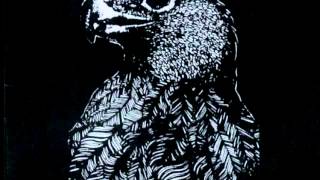
Aquila was a British progressive jazz-rock quintet formed in the late 1960s. The band featured Ralph Denyer, formerly of Blonde On Blonde, as the lead vocalist and guitarist. The lineup included George Lee on various saxophones and flute, Martin Woodward on Hammond organ, Phil Childs on bass guitar and piano, and James Smith on drums and percussion. Their sole studio album, simply titled "Aquila," was released in November 1970 by RCA Victor.
The album exhibits a distinctive sound that blends elements of progressive rock, jazz-rock, and brass rock. The heavy organ presence is complemented by intricate flute melodies and robust saxophone arrangements. The band draws comparisons to other artists of the era, such as Traffic, Jethro Tull, and Colosseum. The music features complex structures and a mix of hard blues riffs and jazzy improvisations, showcasing the musicians’ technical proficiency.
"Aquila" is organized into two sides. Side A consists of four tracks that explore diverse themes and musical styles. Songs like "Change Your Ways" and "We Can Make It If We Try" highlight the band's ability to craft engaging progressive rock songs. Side B is dedicated entirely to "The Aquila Suite," an ambitious multi-part composition divided into three movements. This suite showcases the band's talent for extended arrangements and thematic development.
The album was produced by Patrick Campbell-Lyons, known for his work with the psych-rock band Nirvana and as an A&R figure at Vertigo Records. The striking gatefold cover artwork was created by Keith Besford, adding a visual dimension to the album's presentation. Recording took place at Advision Studios and Morgan Studios in London, capturing the band's live energy and intricate arrangements.
Aquila's debut album was released in the UK under the RCA Victor label, catalog number SF 8150. The record remains a unique entry in the catalog of early 1970s progressive rock. The combination of strong musicianship and innovative sound makes it an interesting study for fans of the genre. The album's production quality and the musicians' performances are reflective of the era's musical experimentation and diversity.
The album "Aquila" was released on November 1970.
| A1 | Change Your Ways | |
| A2 | How Many More Times | |
| A3 | While You Were Sleeping | |
| A4 | We Can Make It If We Try | |
| The Aquila Suite | ||
SOLD OUT


 Freedom
Nerosubianco
Freedom
Nerosubianco
 Procession
Frontiera
Procession
Frontiera
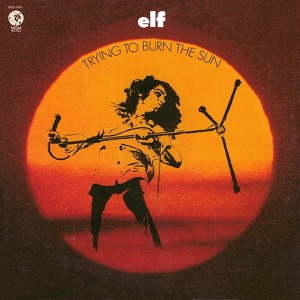 Elf
Trying To Burn The Sun
Elf
Trying To Burn The Sun
 Kombi
Królowie Życia
Kombi
Królowie Życia
 SBB
Memento Z Banalnym Tryptykiem
SBB
Memento Z Banalnym Tryptykiem
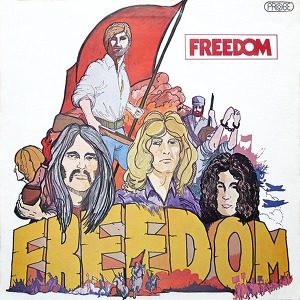 Freedom
Freedom
Freedom
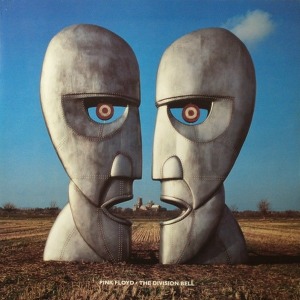 Pink Floyd
The Division Bell
Pink Floyd
The Division Bell
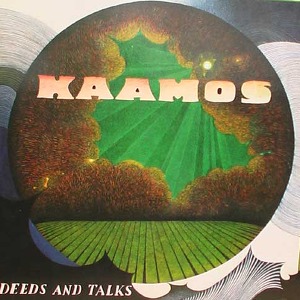 Kaamos
Deeds & Talks
Kaamos
Deeds & Talks
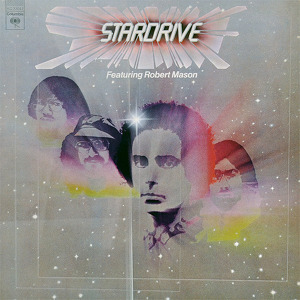 Stardrive
Stardrive
Stardrive
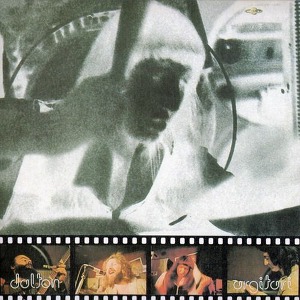 Dalton
Argitari
Dalton
Argitari
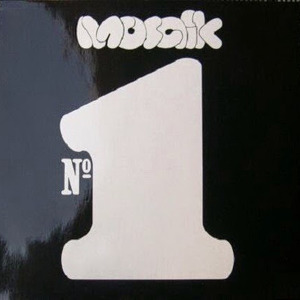 Mosaik
 No-1
Mosaik
Mosaik No-1
 Eire Apparent
Sunrise
Eire Apparent
Sunrise