



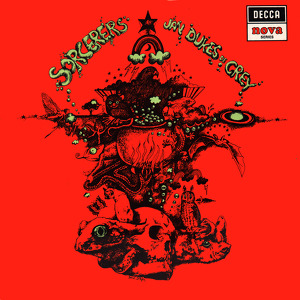
 Jan Dukes De Grey
Sorcerers
Jan Dukes De Grey
Sorcerers
UK 1969
SOLD OUT
Time Machine
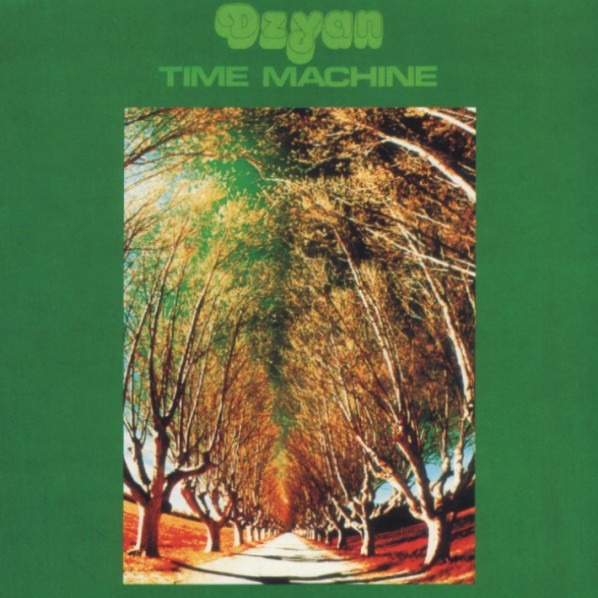

Released in late 1973, "Time Machine" is the second studio album by the German ensemble Dzyan. This group is known for its unique blend of Krautrock, ethnic jazz-rock, and avant-fusion. The album was released on Bacillus Records, a label founded by Peter Hauke, and distributed by Bellaphon.
The album was produced by Peter Hauke, with recording and engineering handled by Dieter Dierks at Dierks Studios in Stommeln. The recording sessions took place in November 1973, capturing the band’s experimental sound in a dynamic studio environment. The cover artwork was illustrated by Helmut Wenske, a notable German fantasy artist.
On "Time Machine," Dzyan transformed into a virtuosic instrumental trio. The lineup includes bassist Reinhard Karwatky, who plays electric bass, double bass, and a custom "Super String" synthesizer. Guitarist and vocalist Eddy Marron contributes electric and acoustic guitars, along with Turkish baglama and vocals. Swiss percussionist Peter Giger enhances the sound with drums and an array of world percussion instruments.
The album features a fusion of free-form Krautrock improvisation and Middle Eastern microtonal modes. It draws influences from jazz-rock groups like the Mahavishnu Orchestra, with intense musical exchanges. "Time Machine" consists of four tracks, with the first side containing "Kabisrain," "Magika," and "Light Shining Out Of Darkness." The entirety of the second side is dedicated to the 18-minute title track, "Time Machine."
Dzyan's "Time Machine" was released on Bacillus Records in 1973 under the catalog number BLPS 19161.
| A1 | Kabisrain | 7:56 |
| A2 | Magika | 8:43 |
| A3 | Light Shining Out Of Darkness | 3:14 |
| B1 | Time Machine | 18:00 |
SOLD OUT


 Jan Dukes De Grey
Sorcerers
Jan Dukes De Grey
Sorcerers
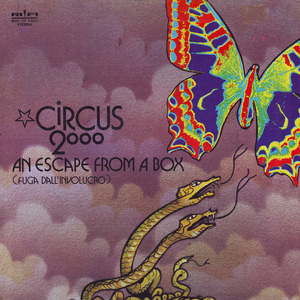 Circus 2000
An Escape From A Box (Fuga Dall'Involucro)
Circus 2000
An Escape From A Box (Fuga Dall'Involucro)
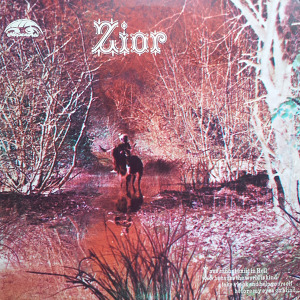 Zior
Zior
Zior
Zior
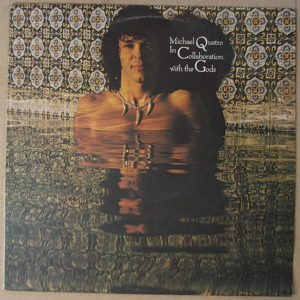 Michael Quatro
In Collaboration With The Gods
Michael Quatro
In Collaboration With The Gods
 Sebastian Hardie
Windchase
Sebastian Hardie
Windchase
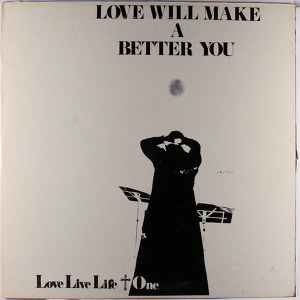 Love Live Life + One
Love Will Make A Better You
Love Live Life + One
Love Will Make A Better You
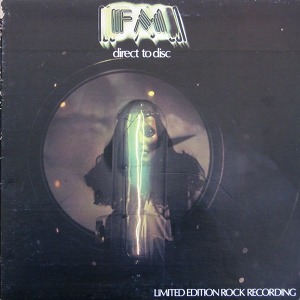 FM
Direct To Disc
FM
Direct To Disc
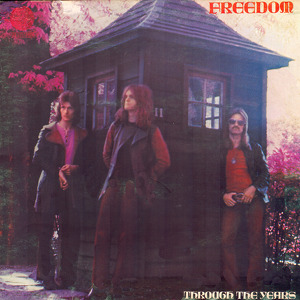 Freedom
Through The Years
Freedom
Through The Years
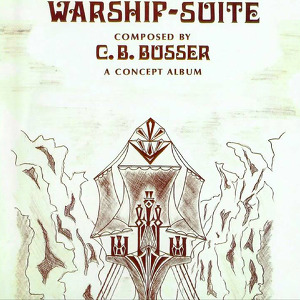 C. B. Busser
Warship-Suite
C. B. Busser
Warship-Suite
 Ungava
Ungava
Ungava
 Kerrs Pink
Kerrs Pink
Kerrs Pink
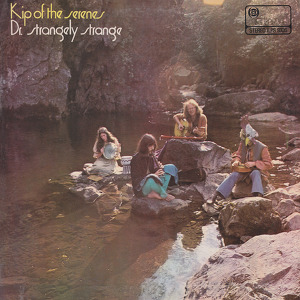 Dr. Strangely Strange
Kip Of The Serenes
Dr. Strangely Strange
Kip Of The Serenes