




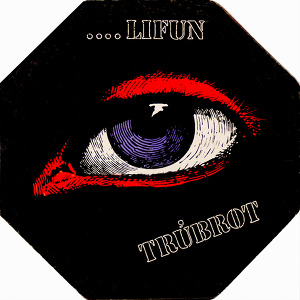
 Trúbrot
Lifun
Trúbrot
Lifun
Iceland 1971
SOLD OUT
Tago Mago
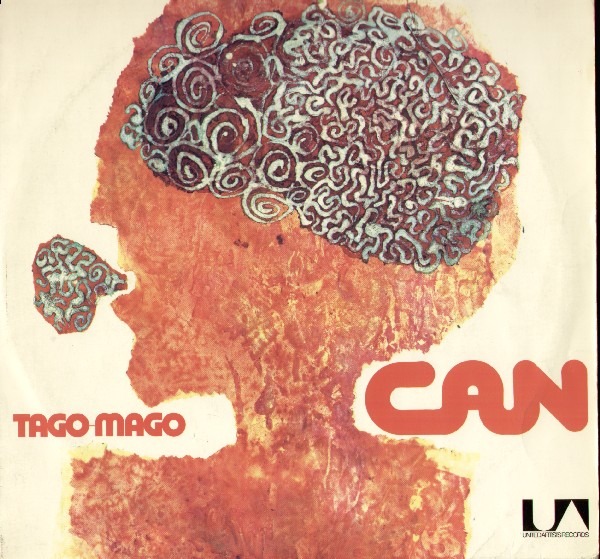


Released in August 1971, Tago Mago is a double LP by the German band Can, issued under United Artists Records. This album marks a significant moment in the band's career as it is the first full studio work featuring vocalist Kenji "Damo" Suzuki, who joined after Malcolm Mooney's exit. The recording took place at Can's self-built studio located in Schloss Norvenich, a medieval castle near Cologne, West Germany, between November 1970 and February 1971.
The album reflects the band's experimental approach, incorporating elements of rock and electronic music. Can's lineup during this period included Holger Czukay on bass, Jaki Liebezeit on drums, Michael Karoli on guitar, Irmin Schmidt on organ and electric piano, and Damo Suzuki on vocals. The album features a mix of structured pieces and improvisational segments, showcasing the band's unique sound. The track "Halleluwah," spanning over 18 minutes, exemplifies their ability to blend intricate rhythms with spontaneous musical exploration.
Tago Mago opens with "Paperhouse," which introduces listeners to the band's experimental style. The song flows into "Mushroom" and "Oh Yeah," both of which explore varied sonic landscapes. The second half of the album delves deeper into extended tracks like "Aumgn," offering a more immersive listening experience. "Peking O." and "Bring Me Coffee Or Tea" further highlight Can's dynamic range and ability to push musical boundaries. Each piece presents a unique character, contributing to the album's cohesive yet diverse nature.
The production of Tago Mago was handled by the band itself. They took an innovative approach to sound and arrangement, reflecting their experimental ethos. The album's cover design, created by U. Eichberger, complements the music’s avant-garde style. The visual presentation aligns with the thematic elements found within the tracks.
Following the release of Tago Mago, Can continued to evolve their sound and push the limits of rock music. This album set the stage for their future endeavors and solidified their place within the Krautrock movement, a genre characterized by its experimental and electronic influences. In December 1971, Can relocated their Inner Space Studio from Schloss Norvenich to a former cinema in Weilerswist, near Cologne.
| A1 | Paperhouse | 7:29 |
| A2 | Mushroom | 4:08 |
| A3 | Oh Yeah | 7:22 |
| B | Halleluwah | 18:22 |
| C | Aumgn | 17:22 |
| D1 | Peking O. | 11:35 |
| D2 | Bring Me Coffee Or Tea | 6:47 |




SOLD OUT


 Trúbrot
Lifun
Trúbrot
Lifun
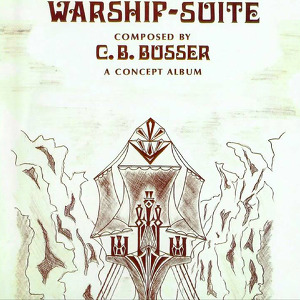 C. B. Busser
Warship-Suite
C. B. Busser
Warship-Suite
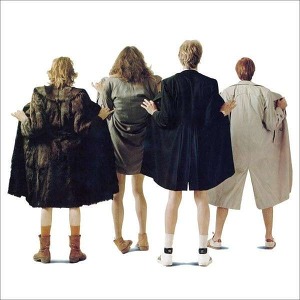 Kraan
Tournee
Kraan
Tournee
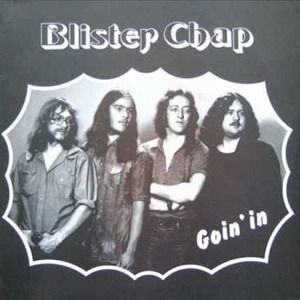 Blister Chap
Goin' In
Blister Chap
Goin' In
 El Reloj
El Reloj
El Reloj
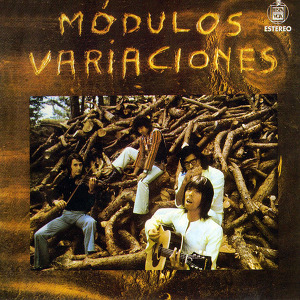 Modulos
Variaciones
Modulos
Variaciones
 Brainticket
Celestial Ocean
Brainticket
Celestial Ocean
 Pink Floyd
The Final Cut
Pink Floyd
The Final Cut
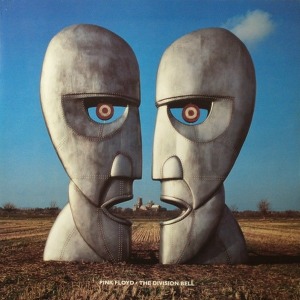 Pink Floyd
The Division Bell
Pink Floyd
The Division Bell
 Samurai
Samurai
Samurai
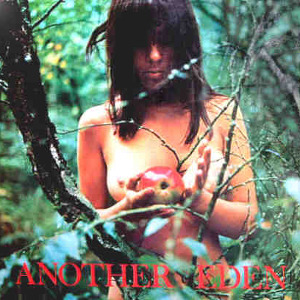 East Of Eden
Another Eden
East Of Eden
Another Eden
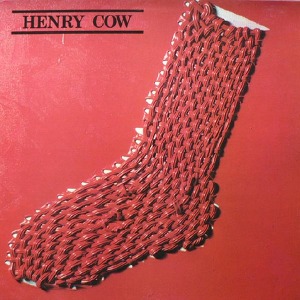 Henry Cow
In Praise Of Learning
Henry Cow
In Praise Of Learning