






 Welcome
Welcome
Welcome
Switzerland 1976
SOLD OUT
After Tea
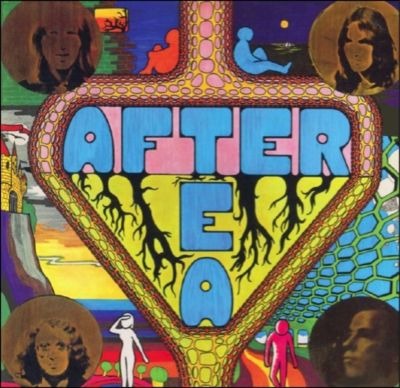

After Tea formed in 1967 in the Netherlands, emerging from the remnants of the Tee Set. The original lineup included organist Hans van Eijck, guitarist Ray Fenwick, bassist and vocalist Polle Eduard, and drummer Martin Hage. The band gained some attention with their psychedelic pop sound, particularly with the track "We Will Be There After Tea." However, after the release of their first album, Fenwick departed to join the Spencer Davis Group, leading to the introduction of guitarist Ferry Lever from Just Colours.
The self-titled album, released in October 1970 on the Negram label, marks a stylistic shift for After Tea. The record features a blend of rock genres, including blues rock and hard rock, with an emphasis on longer, improvisational compositions. This change reflects the band's evolution from their earlier pop-oriented sound to a more expansive musical approach. The album contains seven tracks, predominantly written by Polle Eduard, with contributions from Ully Grun and I. Gort.
After Tea’s self-titled album was produced by Wil Luikinga and engineered by Jan Audier. The recording session involved key band members: Polle Eduard on bass and vocals, Ully Grun on organ, and Ilja on drums. The album's design was handled by Jek Lampers, providing a visual representation of the music within. The band recorded this album in the Netherlands, and it was later released in Germany under the alternative title "Jointhouse Blues." This version also reflected the band's shift toward a more blues-influenced sound.
Tracks like "You've Got To Move Me" and "Let's Come All Together" illustrate the band's new direction, highlighting extended instrumental sections and a more robust rock influence. The closing track, "The End," written by I. Gort, encapsulates the band's progressive tendencies, rounding out the album with a distinct sound. The use of improvisation throughout the tracks lends a spontaneous feel to the record, setting it apart from their previous work.
After Tea recorded three albums in total before disbanding, with this self-titled release standing as a pivotal moment in their transition to a more rock-oriented style. The album was cataloged under NELP 076.
| A1 | You've Got To Move Me | |
| A2 | I'm Here | |
| A3 | Someday | |
| A4 | Let's Come All Together | |
| B1 | Trial | |
| B2 | Punishment | |
| B3 | The End |
SOLD OUT


 Welcome
Welcome
Welcome
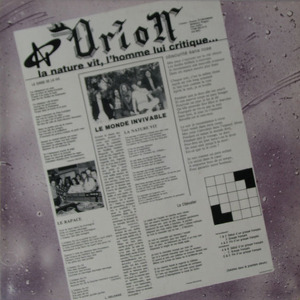 Orion
La Nature Vit, L'Homme Lui Critique...
Orion
La Nature Vit, L'Homme Lui Critique...
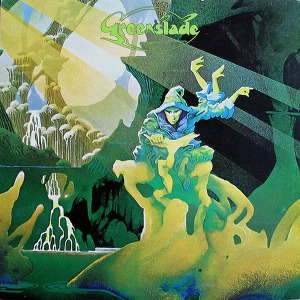 Greenslade
Greenslade
Greenslade
 Sebastian Hardie
Four Moments
Sebastian Hardie
Four Moments
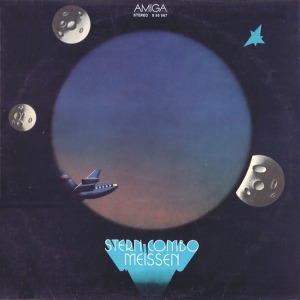 Stern-Combo Meissen
Stern-Combo Meissen
Stern-Combo Meissen
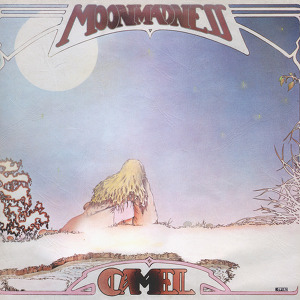 Camel
Moonmadness
Camel
Moonmadness
 Byzantium
Byzantium
Byzantium
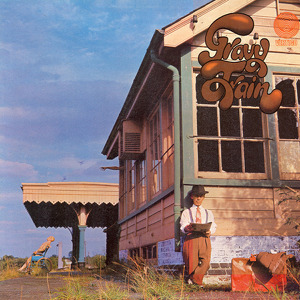 Gravy Train
Gravy Train
Gravy Train
 Egg
The Polite Force
Egg
The Polite Force
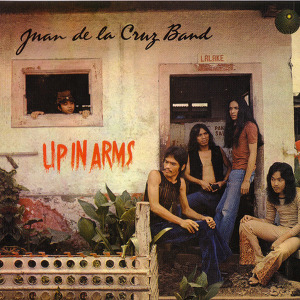 Juan De La Cruz Band
Up In Arms
Juan De La Cruz Band
Up In Arms
 Guru Guru
Känguru
Guru Guru
Känguru
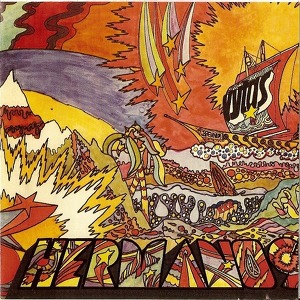 Vytas Brenner
Hermanos
Vytas Brenner
Hermanos