Archimedes Badkar
Archimedes Badkar II


Exploring "Archimedes Badkar II"
"Archimedes Badkar II" is a double LP released in 1976 by the Swedish collective Archimedes Badkar, under the MNW label. This album follows their debut, presenting an intricate tapestry of sounds that incorporates various genres, including electronic, folk, jazz, and rock. The group, known for their experimental approach, delves into the realms of modal drones, free-form improvisation, and global musical influences.
Musical Composition and Influences
Spanning four sides of vinyl, the album features twelve compositions that reflect a diverse range of cultural influences. The opening track, "Förtryckets Sista Timme," showcases an 11-minute exploration of sound that blends traditional and modern elements. The music incorporates instruments such as the tambura and tabla, creating an Indian raga atmosphere reminiscent of spiritual journeys. Tracks like "Radio Tibet" evoke Tibetan rituals, while "Afreaka II" integrates West African polyrhythms, showcasing the group's commitment to world fusion.
Contributing to this sonic landscape are key members such as Per Tjernberg, who plays piano, electric piano, and various percussion instruments. Jörgen Adolfsson adds depth with soprano saxophone and electric guitar, while Christer Bjernelind provides a solid foundation with bass guitar and mandolin. The ensemble is further enriched by guest musicians, including Kjell Westling on transverse flute and Peter Ragnarsson on tabla, adding to the album's eclectic sound palette.
Recording and Production
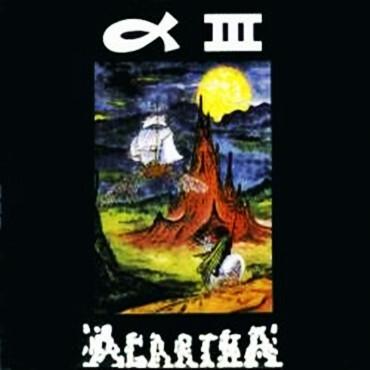
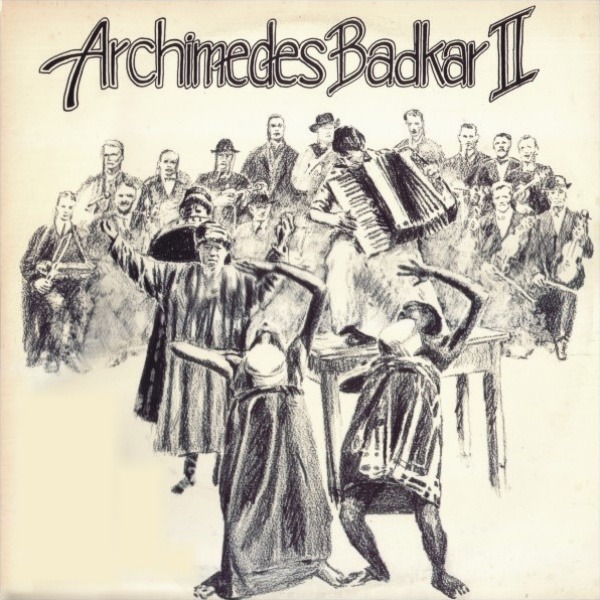
The album was recorded at MNW Studio in Waxholm, Sweden, between 1974 and 1976. This extended recording period allowed for a meticulous layering of sounds and textures, enhancing the overall complexity of the compositions. The artwork for the album cover was created by multi-instrumentalist Christer Bothén, complementing the album's artistic vision.
Legacy Within Scandinavian Music
"Archimedes Badkar II" is often placed alongside works by bands like Third Ear Band and Popol Vuh, highlighting its place within the Scandinavian experimental rock scene. The album's diverse musical influences and intricate arrangements reflect the innovative spirit of the 1970s, particularly within the Swedish Progg movement. As a result, it has garnered attention for its unique blend of styles and instrumentation.
The album includes tracks such as "Charmante Yerevan" and "Jugoslavisk Dans," which further emphasize its eclectic nature. Each piece contributes to a cohesive exploration of sound that is both engaging and thought-provoking. "Archimedes Badkar II" was released in 1976 as MNW 62-63P, and it remains a distinctive entry in the catalog of Swedish experimental music.
Tracklist
| A1 | Förtryckets Sista Timme Written-By – Badkaret*Written-By – Jörgen Adolfsson | 11:17 |
| Efter Regnet / Vattenfall | ||
| B1 | Rebecca Clarinet, Written-By – Kjell Andersson | 1:33 |
| B2 | Jorden Written-By – Jörgen Adolfsson | 6:13 |
| B3 | Charmante Yérévan, En Låt Från Armenien Arranged By – Westling*Arranged By – Tjernberg*Concert Flute [Tvärflöjt] – Kjell WestlingWritten-By – Trad.* | 3:25 |
| B4 | Afreaka II Acoustic Guitar, Written-By – Jörgen AdolfssonWood Block – Bengt Beche Berger* | 10:40 |
| C1 | Radio Tibet Vibraphone – Pysen ErikssonWritten-By – Per TjernbergWritten-By – Tommy Adolfsson | 9:17 |
| C2 | Två Världar Written-By – Badkaret*Written-By – Ingvar Karkoff | 9:26 |
| D1 | Jugoslavisk Dans Bouzouki [Bouzoki] – Kjell WestlingClarinet – Jörgen AdolfssonWritten-By – Djaković | 2:15 |
| D2 | Indisk Folkmelodi Och Ett Tema Av Ingvar Arranged By – Badkaret*Written-By – Ingvar KarkoffWritten-By – Trad.* | 7:05 |
| D3 | Två Hundra Stolta År Written-By – Ingvar KarkoffWritten-By – Jörgen AdolfssonWritten-By [Introduction] – Per Tjernberg | 9:46 |
Credits
- Bass Guitar [Bas], Gong [Gong-gong] – Christer Bjernelind
- Cover [Omslagets Fram- Och Baksida Har Tecknats Av] – Christer Bothén
- Drums [Hand-trummor], Finger Cymbals, Bells [Bjällror, Klockor], Cabasa [Cabassa Afuche], Idiophone [Flexofon], Crotales, Conch [Snäckskal], Performer [Tändsticksaskar, Metallrör], Triangle – Pysen Eriksson
- Drums [Lertrummor, Vanliga Trummor], Triangle – Kjell Andersson
- Graphics [Grafisk Form] – Per Tjernberg
- Photography By [Foto] – Gunnar Naeslund
- Photography By [Foto] – Jörgen Adolfsson
- Photography By [Foto] – Per Lapins
- Photography By [Foto] – Per Tjernberg
- Piano, Cello, Acoustic Guitar – Ingvar Karkoff
- Piano, Electric Piano [El-piano], Organ, Clavinet, Tambourine [Tambourine-trumma], Shaker [Kalebass], Performer [Kaffeburk, Nyckelknippa], Bells, Bendir – Per Tjernberg
- Recorded By – Badkaret*
- Recorded By – Curt-Åke Stefan
- Recorded By – Jörgen Adolfsson
- Recorded By – Tommy Berkert
- Recorded By – Torbjörn Falk
- Tambura [Tamboura] – Anita Livstrand
- Trumpet, Percussion – Tommy Adolfsson
- Violin, Soprano Saxophone [Sopran-sax], Recorder, Mandola, Mandolin, Electric Guitar [El-gitarr], Gong [Gong-gongar], Percussion [Bambu-pinnar] – Jörgen Adolfsson
SOLD OUT