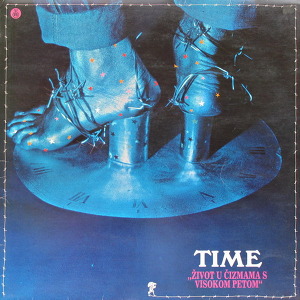
 Time
Život U Čizmama S Visokom Petom
Time
Život U Čizmama S Visokom Petom
Yugoslavia 1976
SOLD OUT
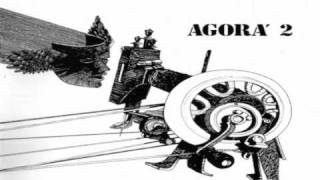
Agorà 2
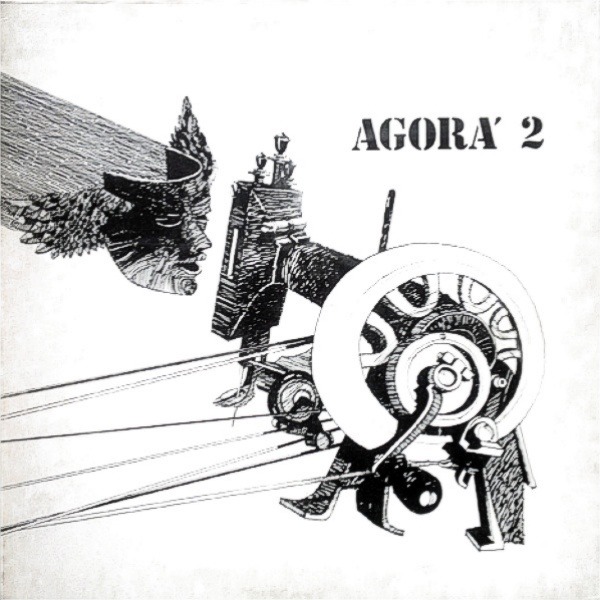


Released in February 1977 under Atlantic Records, Agora 2 is the second album by the Italian band Agora. Formed in 1974 in Ancona, the band has made a name for itself in the jazz-rock genre. Their sound draws heavily from influences such as Weather Report and the Italian fusion group Perigeo. The album was recorded at CAP Studio in Milan in September 1976.
Agora 2 showcases a blend of jazz and rock elements. The band employs a freer, more open-ended approach to fusion. This can be heard through extended solos from the saxophone and electric piano. The twelve-string guitar work by Renato Gasparini adds a unique texture to the sound. The album features six tracks, all written by the group, with compositions that explore various musical themes.
One of the standout tracks, "Tall El Zaatar," is named after the refugee camp in Beirut, a site of conflict during the Lebanese Civil War in 1976. The track's title reflects the socio-political climate of the time. Other tracks like "Punto Rosso" and "Cavalcata Solare" demonstrate the band’s ability to blend intricate musicality with emotional depth. The musicianship of Agora is evident throughout the album, with each member contributing to the overall sound.
The lineup includes Roberto Bacchiocchi on electric piano, Lucio Cesari on bass guitar, Mauro Mencaroni on drums, Nino Russo on percussion and baritone saxophone, Ovidio Urbani on soprano saxophone, and Renato Gasparini on twelve-string guitar. The album was produced by Pier Tacchini and engineered by Angelo Arienti, ensuring high-quality sound throughout the recording.
Agora 2 consists of six tracks, all written by the band, featuring a mix of jazz and rock influences.
| A1 | Punto Rosso | 5:24 |
| A2 | Piramide Di Domani | 6:01 |
| A3 | Tall El Zaatar | 8:25 |
| B1 | La Bottega Di Duilio | 5:52 |
| B2 | Simbiosi (Vasi Comunicanti) | 5:28 |
| B3 | Cavalcata Solare | 8:40 |
SOLD OUT


 Time
Život U Čizmama S Visokom Petom
Time
Život U Čizmama S Visokom Petom
 Serú Girán
Peperina
Serú Girán
Peperina
 Nucleus
Snakehips Etcetera
Nucleus
Snakehips Etcetera
 Ablution
Ablution
Ablution
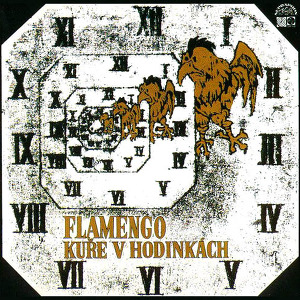 Flamengo
Kuře V Hodinkách
Flamengo
Kuře V Hodinkách
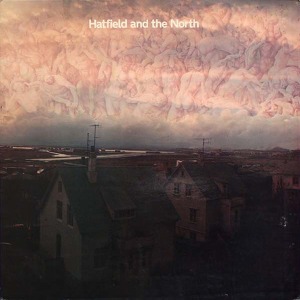 Hatfield And The North
Hatfield And The North
Hatfield And The North
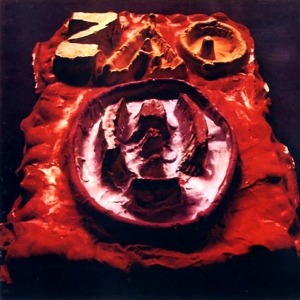 ZAO
Shekina
ZAO
Shekina
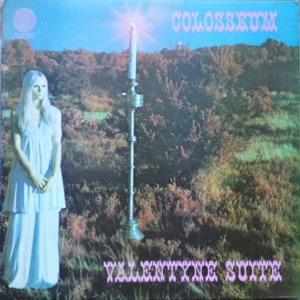 Colosseum
Valentyne Suite
Colosseum
Valentyne Suite
 Serú Girán
La Grasa De Las Capitales
Serú Girán
La Grasa De Las Capitales
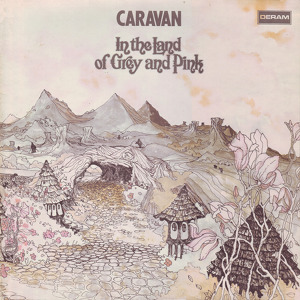 Caravan
In The Land Of Grey And Pink
Caravan
In The Land Of Grey And Pink
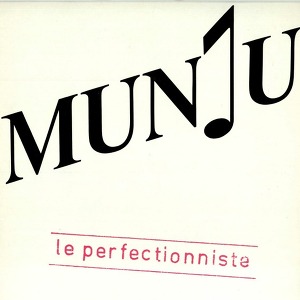 Munju
Le Perfectionniste
Munju
Le Perfectionniste
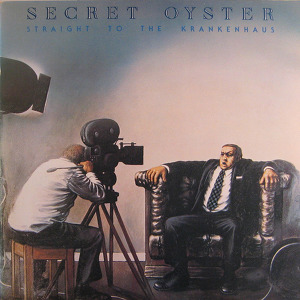 Secret Oyster
Straight To The Krankenhaus
Secret Oyster
Straight To The Krankenhaus