



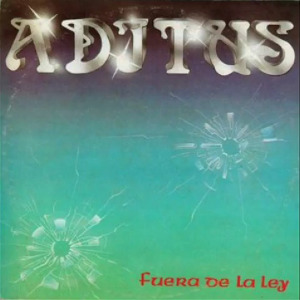
 Aditus
Fuera De La Ley
Aditus
Fuera De La Ley
Venezuela 1981
SOLD OUT
Üdü Ẁüdü
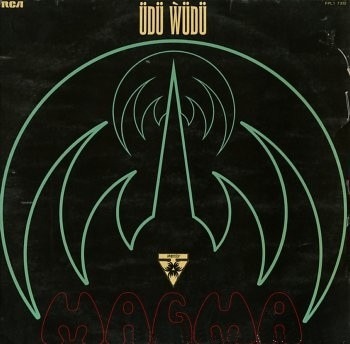

Magma's sixth studio album, Üdü Ẁüdü, was released on September 10, 1976, under the Utopia label in France. This album marks a significant moment in the band's evolution, featuring a mixture of jazz, rock, and progressive elements. The record is divided into two parts: the first consists of shorter tracks that explore varied styles, while the second features the extensive piece "De Futura," which runs for 18 minutes.
The album showcases contributions from several talented musicians. Christian Vander, the band's leader and drummer, plays drums, keyboards, and sings. He is joined by Jannick Top, who plays bass and cello and also contributes vocals. Top had briefly left the band after the previous tour but returned to collaborate on this project before departing again. Other notable musicians include Alain Hatot on saxophone and flute, Pierre Dutour on trumpet, and Michel Graillier on piano. The vocal contributions come from Catherine Szpira, Lucille Cullaz, and Stella Vander, among others.
The opening track, "Udu Wudu," features a rich arrangement with piano and brass, setting the tone for the album's eclectic sound. The second track, "Weidorje," showcases the interplay between electric bass and synthesizer, highlighting the fusion of genres that characterizes this release. "Troller Tanz (Ghost Dance)" and "Zombies (Ghost Dance)" further explore the band's innovative sound, featuring synthesizer work by Vander.
The centerpiece of the album, "De Futura," is largely credited to Jannick Top. This track evolved from "Ork Alarm," a shorter piece from their previous album, Kohntarkosz. Its expansive structure and intricate arrangements exemplify the band's ambitious approach to composition.
Üdü Ẁüdü was produced by Giorgio Gomelsky, who brought his expertise to the recording process. The album was recorded by Alain Francais and Jean Paul Malek, ensuring a high-quality sound that complements the band's intricate musical style. Mixing was handled by Grenier, Malek, and the band themselves, showcasing a collaborative effort in the final product.
This album serves as a defining entry in Magma's discography, illustrating their unique blend of jazz and rock influences. The vinyl LP format allows listeners to experience the album as intended, capturing the nuances of the band's performances. The album was released in 1976, making it a part of the progressive rock scene of that era.
| A1 | Üdü Wüdü Bass, Arranged By [Horns Arrangement] – Janik Top*Percussion, Solo Vocal [Solo Voice], Keyboards, Written-By – Christian VanderPiano – Michel "Mickey" Graillier*Saxophone – Alain HatotTrumpet – Pierre DutourVocals – Catherine SzpiraVocals – Klaus BlasquizVocals – "Lisa"*Vocals – Lucille CullazVocals – Stella Vander | 4:10 |
| A2 | Weidorje Bass, Percussion, Vocals – Bernard PaganottiDrums, Percussion, Vocals – Christian VanderPiano, Synthesizer – Patrick GauthierVocals – Klas Blasquiz*Written-By – Bernard PaganottiWritten-By – Klaus Blasquiz | 4:30 |
| A3 | Tröller Tanz (Ghost Dance) Bass, Cello [Fret-cello] – Janik Top*Percussion, Drums, Keyboards, Synthesizer, Vocals, Written-By – Christian Vander | 3:40 |
| A4 | Soleil D'Ork (Ork' Sun) Bass, Vocals, Percussion, Synthesizer, Written-By – Janik Top*Drums – Christian VanderFlute – Alain Hatot | 3:50 |
| A5 | Zombies (Ghost Dance) Bass, Cello [Fret-cello] – Janik Top*Drums, Keyboards, Synthesizer, Solo Vocal [Solo Voice], Written-By – Christian VanderVoice [Growl] – Klaus Blasquiz | 4:10 |
| B1 | De Futura Drums – Christian Wander*Synthesizer [O.r.s. Bass Synthesizer], Bass, Cello [Feret Cello], Keyboards, Vocals, Written-By – Janik Top*Vocals – Klaus Blasquiz | 18:00 |
SOLD OUT


 Aditus
Fuera De La Ley
Aditus
Fuera De La Ley
 Can
Limited Edition
Can
Limited Edition
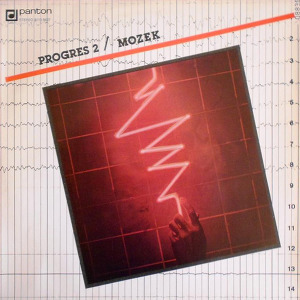 Progres 2
Mozek
Progres 2
Mozek
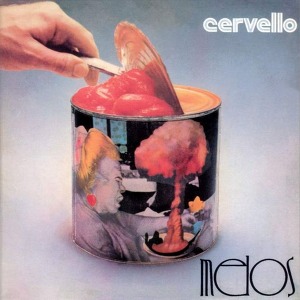 Cervello
Melos
Cervello
Melos
 Coda
Sounds Of Passion
Coda
Sounds Of Passion
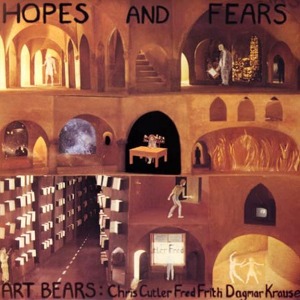 Art Bears
Hopes And Fears
Art Bears
Hopes And Fears
 Mike Hanopol
Buhay Musikero
Mike Hanopol
Buhay Musikero
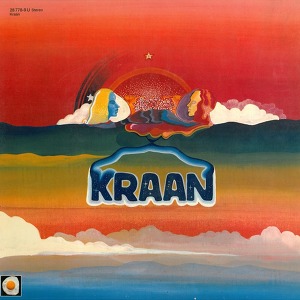 Kraan
Kraan
Kraan
Kraan
 Agitation Free
2nd
Agitation Free
2nd
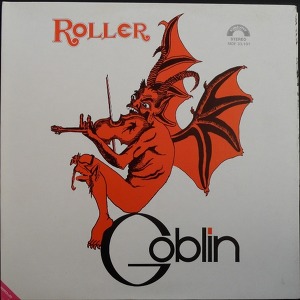 Goblin
Roller
Goblin
Roller
 Streetmark
Eileen
Streetmark
Eileen
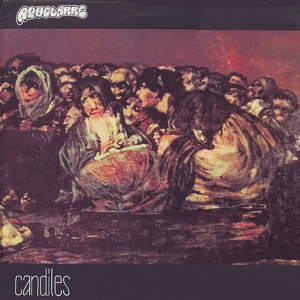 Aquelarre
Candiles
Aquelarre
Candiles