





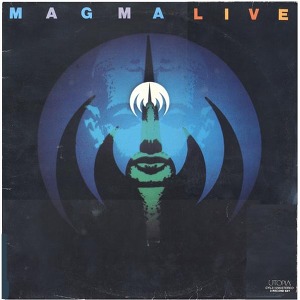
 Magma
Live
Magma
Live
France 1975
SOLD OUT
Mágicos Juegos Del Tiempo
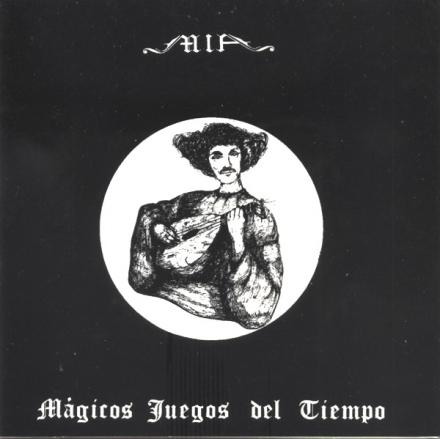

"Mágicos Juegos Del Tiempo," released in 1977, marks the second studio effort by the Argentine music collective M.I.A. (Músicos Independientes Asociados). This album was recorded at Estudios Netto in Buenos Aires, under the label Ciclo 3. The lineup features key contributions from Lito Vitale, who plays piano, organ, Mellotron, synthesizer, electric guitar, bass, and provides vocals. Liliana Vitale handles drums, flute, percussion, and vocals, while Alberto Muñoz contributes lyrics, vocals, acoustic and electric guitar, and bass. Nono Belvis also plays acoustic and electric guitar, bass, and vocals, with additional choral arrangements by Daniel Curto.
The album blends elements of symphonic progressive rock with Argentine folk influences. It is characterized by complex keyboard arrangements and rich, multi-part vocal harmonies. The instrumentation incorporates a variety of keyboards, including the Mellotron, which adds a distinctive texture to the sound. M.I.A. explores themes through poetic lyrics, which are evident in tracks like "Lirica Del Sol" and "Crisalida, Mi Niña." The album does not shy away from extended compositions, as seen in "Archipielagos De Guernaclara," showcasing the band’s progressive rock influences.
Recorded in January 1977, "Mágicos Juegos Del Tiempo" reflects the vibrant music scene in Argentina during that era. The combination of rock and folk elements provides a unique listening experience. The album's production emphasizes the intricate arrangements and the synergy between the instruments and vocals. The attention to detail in the recording process contributes to the overall sound quality.
Among the standout tracks, "Los Molinos De La Calma" and "Romanza Para Una Mujer Que Cose" highlight the band's ability to weave narratives through music. The use of varied instrumentation keeps the listener engaged, while the lyrics delve into the emotional and cultural nuances of Argentine life.
"Mágicos Juegos Del Tiempo" is available in vinyl format, specifically as an LP, which adds to the authenticity of the listening experience. This album represents a significant chapter in the history of progressive rock in Argentina.
The album was released in 1977.
| A1 | Lirica Del Sol Piano, Vocals – Lito VitaleVocals – Alberto MuñozVocals – Liliana VitaleWritten-By – Alberto MuñozWritten-By – Liliana VitaleWritten-By – Lito Vitale | 3:25 |
| A2 | Crisalida, Mi Niña Drums, Vocals – Liliana VitaleGuitar, Vocals – Alberto MuñozPiano, Organ, Synthesizer, Vocals – Lito VitaleWritten-By – Alberto Muñoz | 5:24 |
| A3 | Los Molinos De La Calma Acoustic Guitar, Vocals – Alberto MuñozElectric Guitar, Organ, Electric Piano, Vocals – Lito VitalePercussion, Vocals – Liliana VitaleWritten-By – Alberto MuñozWritten-By – Liliana VitaleWritten-By – Lito Vitale | 4:23 |
| A4 | Antiguas Campanas Del Pueblo Bass, Vocals – Alberto MuñozDrums, Vocals – Liliana VitaleOrgan, Synthesizer, Bass, Piano, Vocals – Lito VitalePercussion [Bells Effects] – Daniel CurtoWritten-By – Lito Vitale | 6:14 |
| B1 | Archipielagos De Guernaclara Acoustic Guitar, Electric Guitar, Vocals – Nono BelvisBass – Alberto MuñozDrums, Vocals – Liliana VitalePiano, Organ, Synthesizer, Vocals – Lito VitaleWritten-By – Alberto MuñozWritten-By – Lito VitaleWritten-By – Nono Belvis | 10:59 |
| B2 | Romanza Para Una Mujer Que Cose Acoustic Guitar, Vocals – Alberto MuñozBass – Nono BelvisDrums, Flute, Vocals – Liliana VitalePiano, Organ, Mellotron, Synthesizer – Lito VitaleWritten-By – Alberto Muñoz | 5:46 |
| B3 | Corales De La Cantata Saturno Arranged By [Choral] – Daniel CurtoWritten-By – Alberto Muñoz |
SOLD OUT


 Magma
Live
Magma
Live
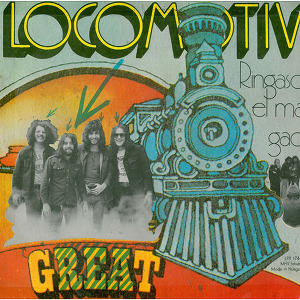 Locomotiv GT
Ringasd El Magad
Locomotiv GT
Ringasd El Magad
 Emerson, Lake & Palmer
Brain Salad Surgery
Emerson, Lake & Palmer
Brain Salad Surgery
 Circus
Circus
Circus
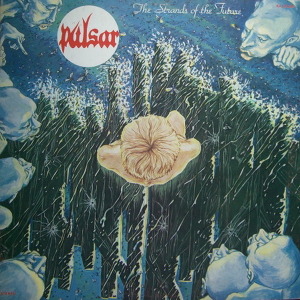 Pulsar
The Strands Of The Future
Pulsar
The Strands Of The Future
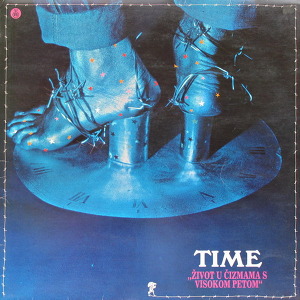 Time
Život U Čizmama S Visokom Petom
Time
Život U Čizmama S Visokom Petom
 Genesis
Foxtrot
Genesis
Foxtrot
 Il Baricentro
Trusciant
Il Baricentro
Trusciant
 Curved Air
Phantasmagoria
Curved Air
Phantasmagoria
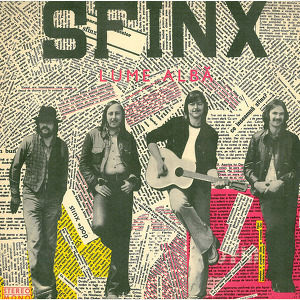 Sfinx
Lume Albă
Sfinx
Lume Albă
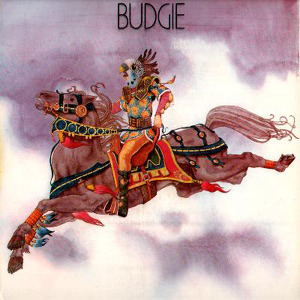 Budgie
Budgie
Budgie
 Amon Düül II
Tanz Der Lemminge
Amon Düül II
Tanz Der Lemminge