




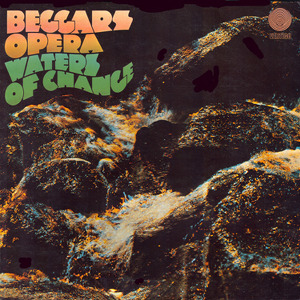
 Beggar's Opera
Waters Of Change
Beggar's Opera
Waters Of Change
UK 1971
SOLD OUT
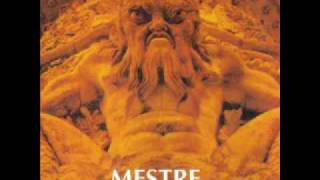
Mestre
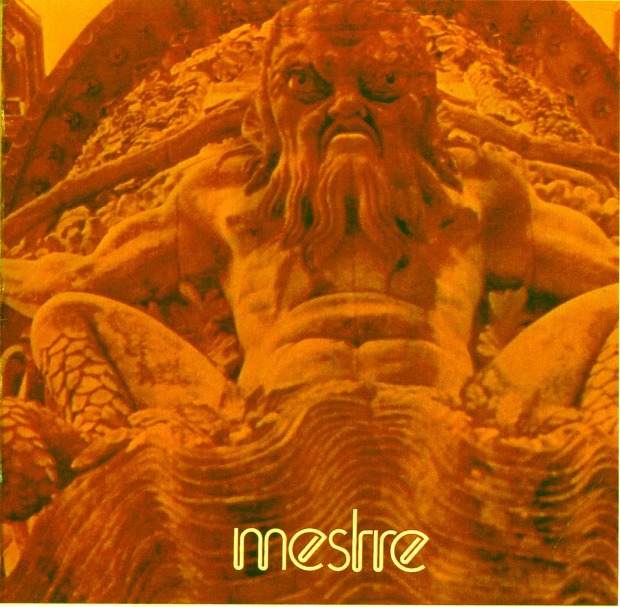

Mestre is the first studio album by the Portuguese progressive rock band Petrus Castrus, released in 1973 under the Guilda Da Música label. Formed in 1971 by brothers Pedro and José Castro, the group sought to blend rock with Portuguese literary and political themes. The album was recorded at Strawberry Studios in Château d'Hérouville, France, and mixed in Paris at Studios Aquarium.
The album features a diverse sound, incorporating elements of rock, folk, and symphonic prog. Petrus Castrus's lineup includes Pedro Castro on bass guitar and vocals, José Castro on lead vocals and various instruments, Júlio Pereira on guitars, Rui Reis on keyboards, and João Seixas on drums. José Mário Branco appears as a guest musician, adding xylophone to the mix.
Mestre is notable for its use of poetry from prominent Portuguese authors. The band set to music the works of celebrated poets such as Sophia de Mello Breyner Andresen and Alexandre O'Neill. This choice of material reflects a commitment to addressing complex themes, including anti-regime sentiments that resonated during Portugal's Estado Novo dictatorship.
The album's content quickly drew the attention of the secret police (PIDE) in Portugal, leading to its ban shortly after release. This action was a response to the album's anti-authoritarian messages and its challenge to the prevailing political climate. The lyrics express a blend of personal and collective struggles, resonating with the socio-political landscape of Portugal at the time.
Among the eleven tracks, pieces like "Porque" and "País Relativo" stand out for their lyrical depth. Each song engages with the themes of identity and resistance, weaving together musical complexity with literary significance. The combination of acoustic and electric instrumentation, alongside innovative arrangements, creates a rich auditory experience.
The album was engineered by Gilles Sallé, whose work helped shape its distinct sound. Liner notes were penned by Tito Lívio, providing context to the listener about the band's vision and the cultural backdrop of the time. Mestre is pressed on vinyl format, which was a common practice for albums in the early 1970s.
Petrus Castrus recorded Mestre between November 1972 and April 1973.
| A1 | Mestre Lyrics By, Music By – José CastroLyrics By, Music By – Pedro Castro | 5:47 |
| A2 | Pátria Amada Lyrics By, Music By – José CastroLyrics By, Music By – Pedro Castro | 4:02 |
| A3 | Porque Lyrics By – Sophia De Mello Breyner AndresenMusic By – Rui Reis | 2:21 |
| A4 | País Relativo Lyrics By – Alexandre O'NeillMusic By – José CastroMusic By – Pedro Castro | 4:49 |
| A5 | Macaco Lyrics By – Alexandre O'NeillMusic By – José CastroMusic By – Pedro Castro | 1:52 |
| B1 | S.A.R.L. Lyrics By – Ary Dos Santos*Music By – José CastroMusic By – Pedro Castro | 3:24 |
| B2 | Pasárgada / Saudades Do Rio Antigo Lyrics By – Manuel BandeiraMusic By – José CastroMusic By – Pedro Castro | 3:38 |
| B3 | Velho Avarento Lyrics By – BocageMusic By – José CastroMusic By – Pedro Castro | 1:29 |
| B4 | Tiahuanaco Lyrics By, Music By – José CastroLyrics By, Music By – Pedro Castro | 5:58 |
| B5 | História Do Azul Do Mar Lyrics By – António SenaMusic By – José CastroMusic By – Pedro Castro | 2:54 |
| B6 | Só Mais Nada Lyrics By – Alberto CaeiroMusic By – José CastroMusic By – Pedro Castro | 0:47 |
SOLD OUT


 Beggar's Opera
Waters Of Change
Beggar's Opera
Waters Of Change
 Cathedral
Stained Glass Stories
Cathedral
Stained Glass Stories
 Ice
Saga Of The Ice King
Ice
Saga Of The Ice King
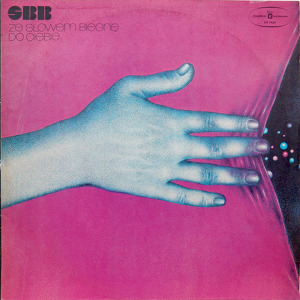 SBB
Ze Słowem Biegnę Do Ciebie
SBB
Ze Słowem Biegnę Do Ciebie
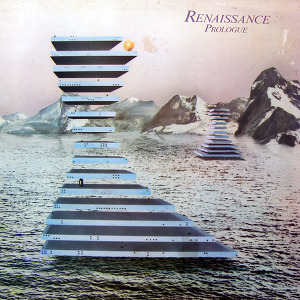 Renaissance
Prologue
Renaissance
Prologue
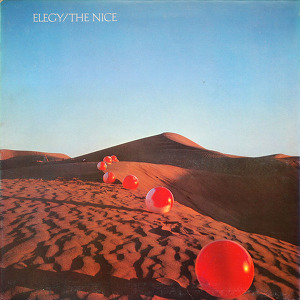 The Nice
Elegy
The Nice
Elegy
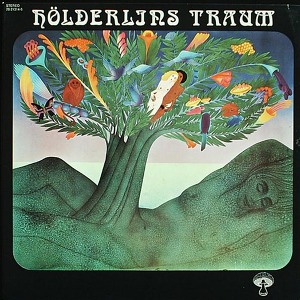 Hölderlin
s Traum
Hölderlin
Hölderlins Traum
 Mike Hanopol
Buksan
Mike Hanopol
Buksan
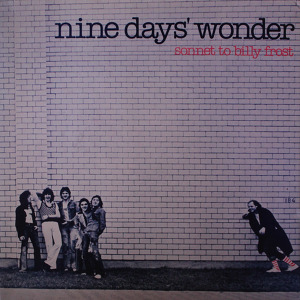 Nine Days' Wonder
Sonnet To Billy Frost
Nine Days' Wonder
Sonnet To Billy Frost
 Bergendy
Beat Ablak
Bergendy
Beat Ablak
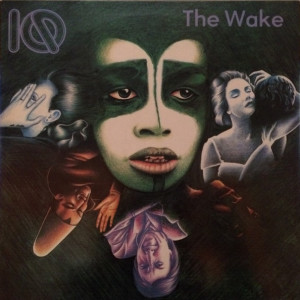 IQ
The Wake
IQ
The Wake
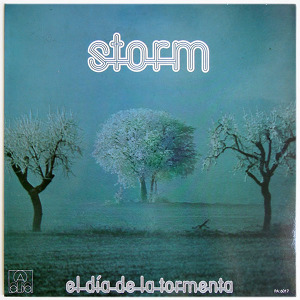 The Storm
El Dia De La Tormenta
The Storm
El Dia De La Tormenta