



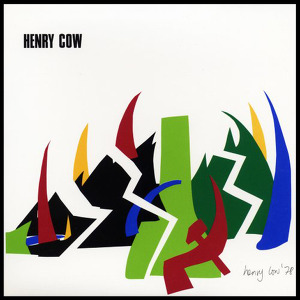
 Henry Cow
Western Culture
Henry Cow
Western Culture
UK 1979
SOLD OUT
Ode
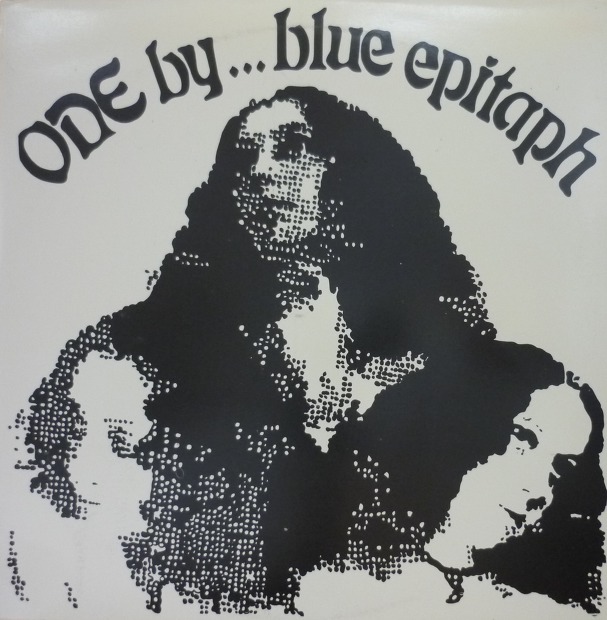

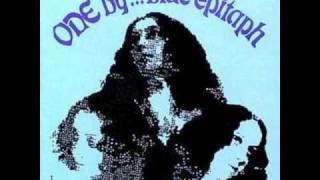
In 1974, Blue Epitaph released their only album, "Ode," through the Holyground label, known for its unique approach to music production. The album was recorded at Holyground Studios in Wakefield, Yorkshire, and only 99 limited edition vinyl copies were pressed, making it a rare find for collectors.
Blue Epitaph was formed by Peter Howells and James Gordon, both of whom had previously contributed to the Jumble Lane project associated with the Holyground collective. Howells took on the roles of lead vocalist, acoustic guitarist, and songwriter, while Gordon provided additional guitars and backing vocals. The album's production was handled by Mike Levon, who also served as the recording engineer at Holyground Studios.
"Ode" blends elements of rock, folk rock, and experimental sounds, reflecting the ethos of the acid-folk movement. The album is characterized by Howells' melancholic acoustic guitar work and poetic lyrics. The production employs multi-tracked electric guitar and vocal overdubs, creating a layered sound that captures the essence of intimate home recordings. Tracks like "Diane" and "Orange Room" exemplify the duo's ability to weave personal narratives into their music, while the instrumental piece "Ode" offers a contemplative interlude.
The album was recorded at a time when the independent music scene was thriving in the UK. Holyground, founded by Levon, became a hub for innovative artists seeking creative freedom outside the mainstream industry. This context influenced the sound and production of "Ode," allowing Blue Epitaph to explore their artistic vision without conventional constraints.
Among the tracks featured on "Ode," "Can't Stop The Music" and "I Never Met You" stand out for their lyrical depth and melodic structure. The combination of Howells' lead vocals and Gordon's harmonies creates a rich auditory experience. The experimental nature of the album is evident in songs like "Ffief" and "When I'm Blind," which push the boundaries of traditional song formats.
"Ode" serves as a documentation of the creative spirit present in the early 1970s British music scene. The album was released under catalog number HG.117.
| A1 | Diane | |
| A2 | Orange Room | |
| A3 | The Game's Reversible | |
| A4 | Oh You Lucky Man | |
| A5 | Ode | |
| B1 | Can't Stop The Music | |
| B2 | I Never Met You | |
| B3 | Who Are You | |
| B4 | Ffief | |
| B5 | When I'm Blind | |
| B6 | Underrated |
SOLD OUT


 Henry Cow
Western Culture
Henry Cow
Western Culture
 EAST
Rések A Falon
EAST
Rések A Falon
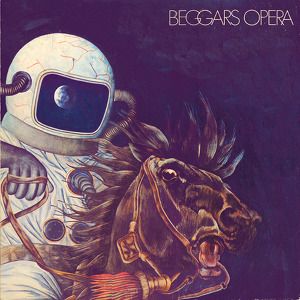 Beggar's Opera
Pathfinder
Beggar's Opera
Pathfinder
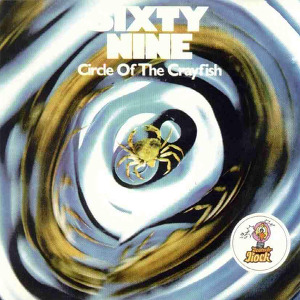 Sixty Nine
Circle Of The Crayfish
Sixty Nine
Circle Of The Crayfish
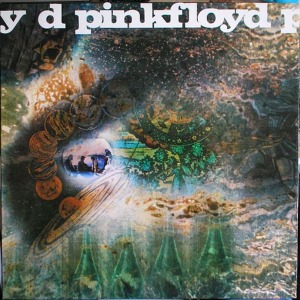 Pink Floyd
A Saucerful Of Secrets
Pink Floyd
A Saucerful Of Secrets
 Jane
Beautiful Lady
Jane
Beautiful Lady
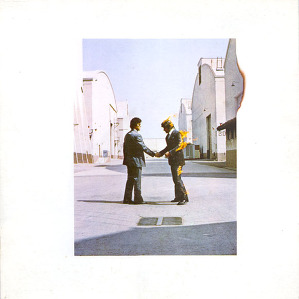 Pink Floyd
Wish You Were Here
Pink Floyd
Wish You Were Here
 Kansas
Masque
Kansas
Masque
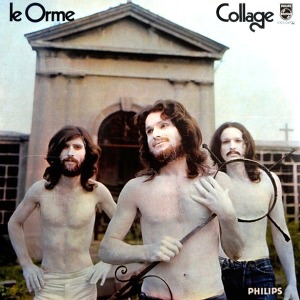 Le Orme
Collage
Le Orme
Collage
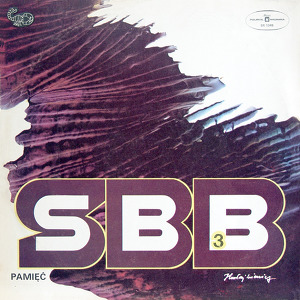 SBB
Pamięć
SBB
Pamięć
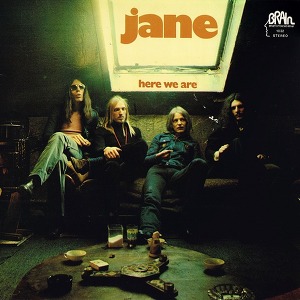 Jane
Here We Are
Jane
Here We Are
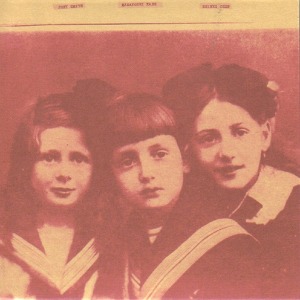 Speed, Glue & Shinki
Eve
Speed, Glue & Shinki
Eve