

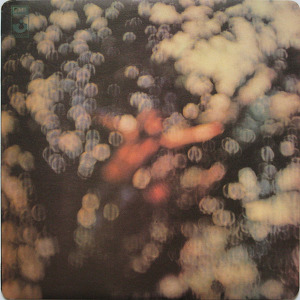
 Pink Floyd
Obscured By Clouds
Pink Floyd
Obscured By Clouds
UK 1972
SOLD OUT
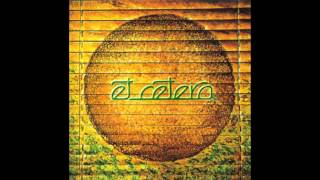
Et Cetera
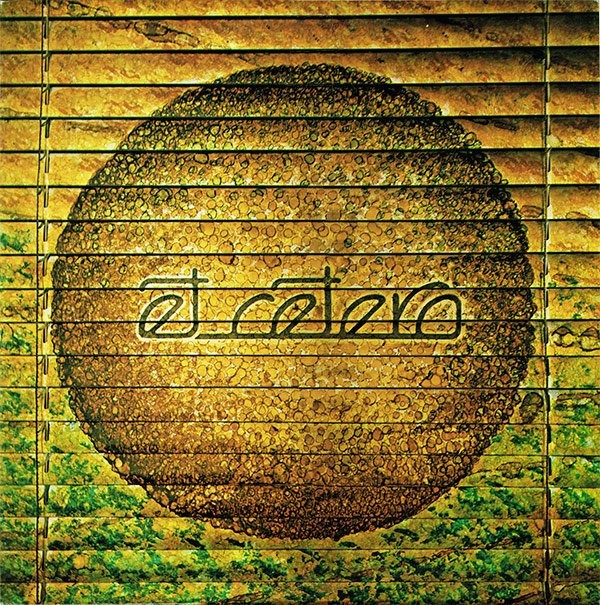


Et Cetera is the sole studio album by the French-Canadian progressive rock band of the same name. Formed in Montreal, Quebec, the group consists of five members: Marie-Bernard Pagé, Denis L. Chartrand, Robert Marchand, Alain-Yves Pigeon, and Pierre Dragon. The album was recorded at Studio Tempo in Montreal and released in 1976 on their independent Apostrophe label.
The album features a blend of rock and elements typical of the progressive rock genre, particularly symphonic and Quebec prog styles. Et Cetera is often compared to the British band Gentle Giant due to its intricate vocal arrangements and complex musical structures. The use of the Ondes Martenot, a rare electronic instrument, adds a unique texture to their sound. The band draws upon medieval and chamber music influences, creating a rich tapestry of sound. The instrumentation includes keyboards, flute, saxophone, vibraphone, electric and acoustic guitars, bass guitar, cello, and drums.
Marie-Bernard Pagé plays keyboards, Ondes Martenot, and provides vocals. She is notable for her previous work on Harmonium's acclaimed album, Les Cinq Saisons. Denis L. Chartrand contributes keyboards, flute, saxophone, and vocals, while Robert Marchand handles electric and acoustic guitars along with vocals. Alain-Yves Pigeon plays bass guitar and cello, and Pierre Dragon is on drums and percussion. This combination of musicians brings diverse skills and influences, enhancing the album's complexity.
The album consists of seven tracks, with "Entre Chien Et Loup" standing out as a 7:01 epic that showcases the band’s dynamic range and musical ambition. Other notable tracks include "La Musique Tourne" and "Newton Avait Raison," which reflect the band's innovative approach to songwriting and arrangement. Each piece is constructed with careful attention to detail, resulting in a cohesive yet diverse listening experience.
Produced by Paul Pagé, the album was engineered to highlight the band's multifaceted sound. The recording process at Studio Tempo allowed for intricate layering of instruments and vocals, essential for the progressive rock genre. The album's production quality is indicative of the era, capturing the essence of 1970s Canadian rock music.
Et Cetera’s self-titled album was released in 1976 on the Apostrophe label, catalog number AP-7601 / AP-8000.
| A1 | Et La Musique Tourne Composed By – Chartrand*Composed By – Marchand* | 4:05 |
| A2 | Éclaircie Composed By – Chartrand*Composed By – Marchand* | 5:12 |
| A3 | Entre Chien Et Loup Composed By – Chartrand*Composed By – Marchand* | 7:01 |
| B1 | Apostrophe Composed By – Marchand* | 4:58 |
| B2 | Newton Avait Raison Composed By – Chartrand*Composed By – Marchand* | 4:10 |
| B3 | L'Age Dort Composed By – Chartrand* | 4:30 |
| B4 | Tandem Composed By – Chartrand* | 6:08 |
SOLD OUT


 Pink Floyd
Obscured By Clouds
Pink Floyd
Obscured By Clouds
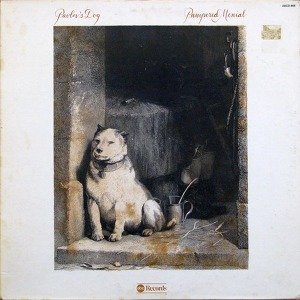 Pavlov's Dog
Pampered Menial
Pavlov's Dog
Pampered Menial
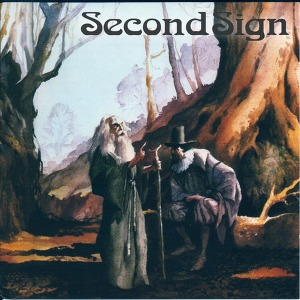 Second Sign
Second Sign
Second Sign
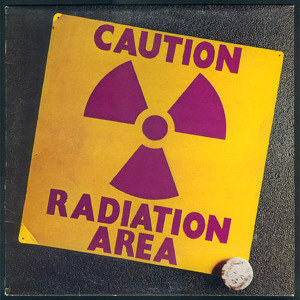 Area
Caution Radiation Area
Area
Caution Radiation Area
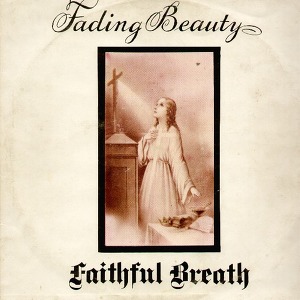 Faithful Breath
Fading Beauty
Faithful Breath
Fading Beauty
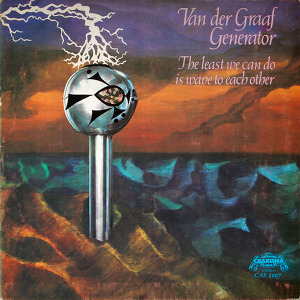 Van Der Graaf Generator
The Least We Can Do Is Wave To Each Other
Van Der Graaf Generator
The Least We Can Do Is Wave To Each Other
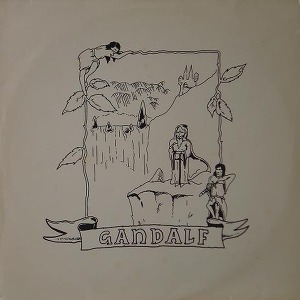 Gandalf
Gandalf
Gandalf
 Sebastian Hardie
Four Moments
Sebastian Hardie
Four Moments
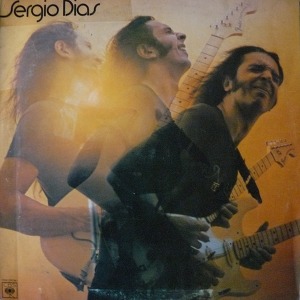 Sergio Dias
Sergio Dias
Sergio Dias
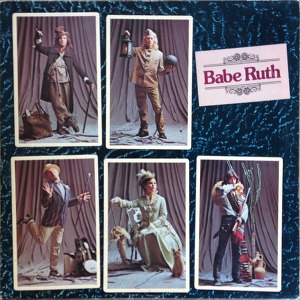 Babe Ruth
Babe Ruth
Babe Ruth
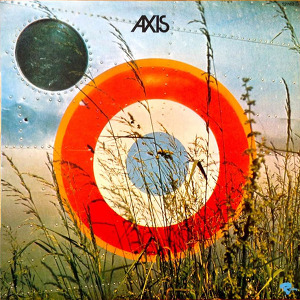 Axis
Axis
Axis
Axis
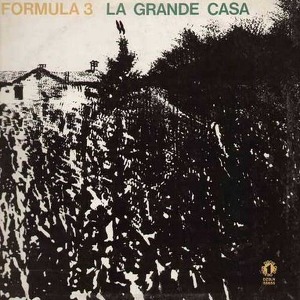 Formula 3
La Grande Casa
Formula 3
La Grande Casa