








 Sergio Dias
Sergio Dias
Sergio Dias
Brazil 1980
SOLD OUT
Crisalida
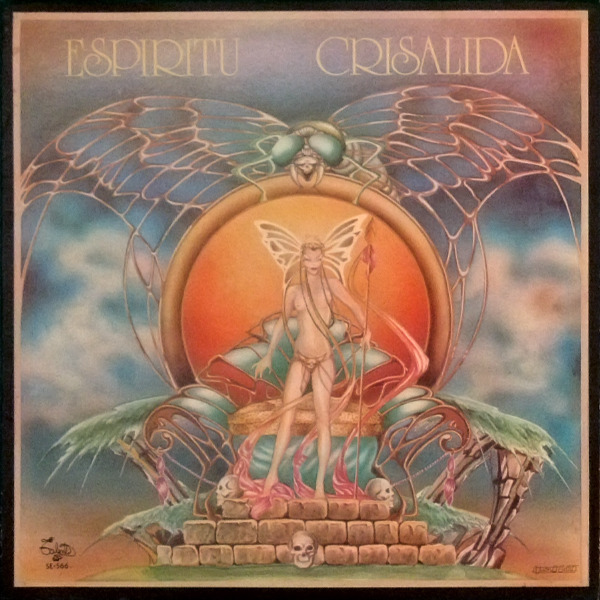

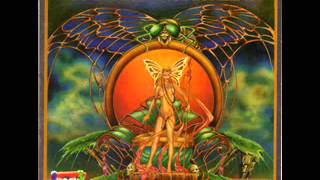
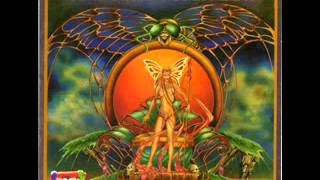
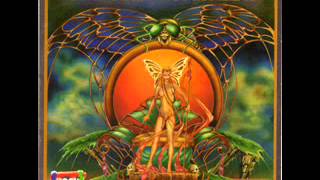
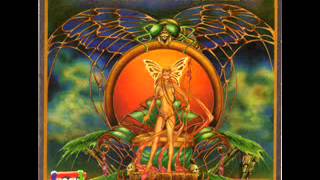
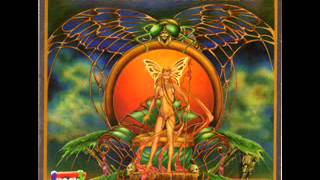
"Crisalida" is a concept album released in 1975 by the Argentine progressive rock band Espíritu. This LP stands as their debut release under the Talent / Microfón label, catalog number SE-549. The album was recorded at Estudios Phonalex in Buenos Aires, Argentina, and produced by the influential Billy Bond. The cover artwork, which offers a surreal visual narrative, was crafted by artist Juan O. Gatti.
The album is structured as an unbroken suite that explores the metamorphosis of the human soul and spiritual awakening, symbolized by the chrysalis, or "crisálida." Each of the eight interconnected movements delves into various aspects of this concept. Tracks like "La Casa De La Mente" and "Eterna Evidencia" illustrate this journey through evocative lyrics and intricate musical arrangements.
Musically, "Crisalida" embodies the essence of 1970s symphonic progressive rock. The album features multi-part vocal harmonies, which add depth to the overall sound. Osvaldo Favrot's guitar work, both on Gibson Les Paul and acoustic guitars, draws inspiration from notable guitarists like Steve Howe. His playing is complemented by Gustavo Fedel's expansive keyboard arrangements, which include the Hammond organ, Minimoog synthesizer, and ARP string ensemble. These elements create a rich tapestry of sound that aligns with the styles of bands such as Yes, Genesis, and Premiata Forneria Marconi.
The lineup for Espíritu during this release included Fernando Bergé on lead vocals and songwriting, Osvaldo Favrot on guitars and backing vocals, Gustavo Fedel on keyboards, Claudio Martínez on bass guitar and backing vocals, and Carlos Goler on drums and percussion. Each member contributed to the songwriting process, making the album a collaborative effort that showcases their collective talent.
"Crisalida" was recorded in 1975, marking a significant moment in Argentine rock history. The combination of its thematic depth, musical complexity, and production quality provides a comprehensive look at the progressive rock scene in Argentina during the 1970s. The album's surreal artwork further enhances its artistic vision, representing the transformation and awakening captured in the music.
The album was produced by Billy Bond, a key figure in the Argentine rock movement and known for his work with Billy Bond y La Pesada del Rock and Roll.
| A1 | La Casa De La Mente | |
| A2 | Prolijas Virtudes Del Olvido | |
| A3 | Sueños Blancos, Ideas Negras | |
| A4 | Sabios De Vida | |
| B1 | Eterna Evidencia | |
| B2 | Tiempo De Ideas | |
| B3 | Hay Un Mundo Cerrado Dentro Tuyo | |
| B4 | Hay Un Mundo Luminoso |
SOLD OUT


 Sergio Dias
Sergio Dias
Sergio Dias
 Alphataurus
Alphataurus
Alphataurus
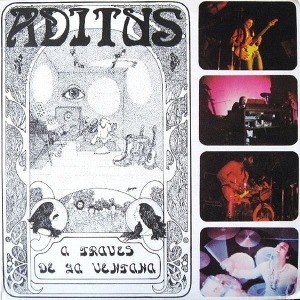 Aditus
A Traves De La Ventana
Aditus
A Traves De La Ventana
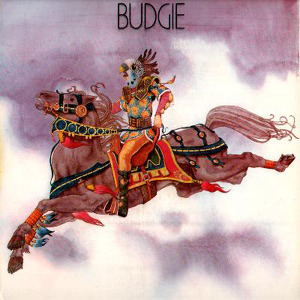 Budgie
Budgie
Budgie
 Tibet
Tibet
Tibet
Tibet
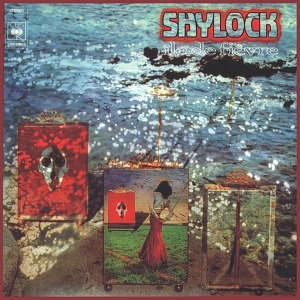 Shylock
Île De Fièvre
Shylock
Île De Fièvre
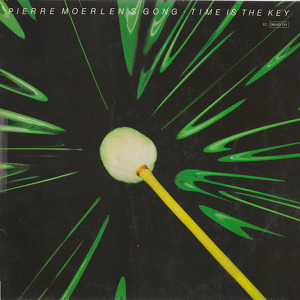 Pierre Moerlen's Gong
Time Is The Key
Pierre Moerlen's Gong
Time Is The Key
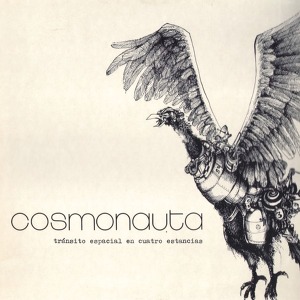 Aguaviva
Cosmonauta
Aguaviva
Cosmonauta
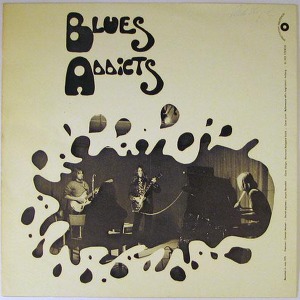 Blues Addicts
Blues Addicts
Blues Addicts
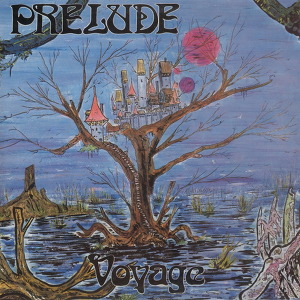 Prelude
Voyage
Prelude
Voyage
 Pretty Things
Emotions
Pretty Things
Emotions
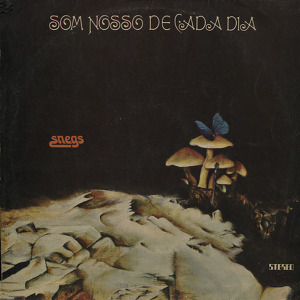 Som Nosso De Cada Dia
Snegs
Som Nosso De Cada Dia
Snegs