








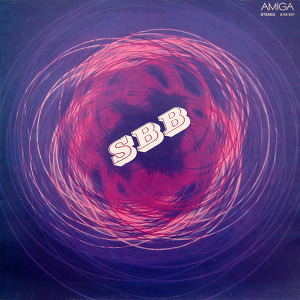
 SBB
SBB
SBB
SBB
Poland 1978
SOLD OUT
Alas
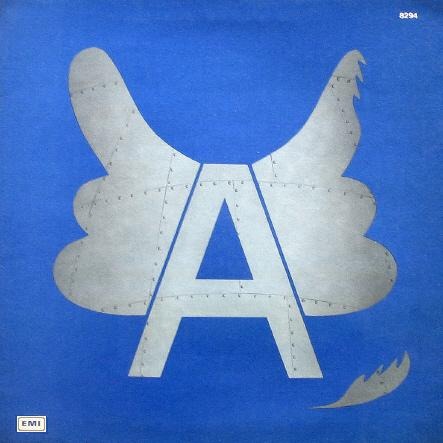

In 1976, Buenos Aires witnessed the debut of the progressive jazz/tango-rock trio, Alas. Their self-titled album, released under EMI-Odeon, marked a key moment in Argentine music history. The recording sessions took place from June to August of that year at the EMI-Odeon Studios, led by producer Daniel Grinbank.
Alas presents an impressive blend of European symphonic rock and traditional Argentine tango elements. Drawing influences from bands like Emerson, Lake & Palmer and King Crimson, the album features complex compositions that intertwine classical music structures with folk rhythms. The musicianship is notable, with Gustavo Moretto showcasing his versatility on instruments such as the acoustic piano, Fender Rhodes, and Minimoog synthesizer. He also contributes vocals, flute, trumpet, and violin throughout the record.
Accompanying Moretto is Alex Zucker on bass and acoustic guitar, who provides a solid foundation for the band's sound. Carlos Riganti’s role on drums and percussion adds a unique Latin flair, utilizing instruments like maracas and castanets. This combination creates a vibrant atmosphere that is both innovative and rooted in Argentine culture.
The album is structured into two side-long suites, each lasting over 16 minutes. Side A features "Buenos Aires Solo Es Piedra," a multi-part suite that captures the essence of urban life in Buenos Aires, subdivided into segments like "Tango," "Sueño," and "Tanguito." Conversely, Side B presents "La Muerte Contó El Dinero," which explores themes of Argentine folklore and malambo rhythms. This suite is divided into several movements, including "Vidala" and "Amanecer/Tormenta."
The album's production involved skilled sound engineers, including Carlos García, Charly López, and José Soler. Their expertise helped to create a polished sound that complimented the band's intricate arrangements. The combination of progressive rock, jazz, and traditional tango creates a unique listening experience that is distinctly Argentine.
Alas was released in 1976 under the catalog number EMI 6338, making it one of the notable releases in the Argentine progressive rock scene.
| Buenos Aires Sólo Es Piedra | ||
| La Muerte Contó El Dinero |
SOLD OUT


 SBB
SBB
SBB
SBB
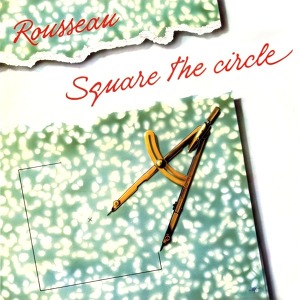 Rousseau
Square The Circle
Rousseau
Square The Circle
 Amon Düül
Collapsing Singvögel Rückwärts & Co.
Amon Düül
Collapsing Singvögel Rückwärts & Co.
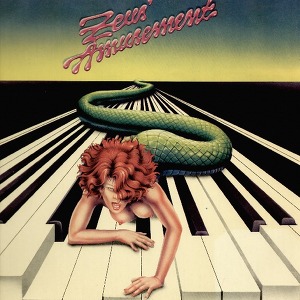 Zeus B. Held
Zeus' Amusement
Zeus B. Held
Zeus' Amusement
 If
IF 4
If
IF 4
 Titus Groan
Titus Groan
Titus Groan
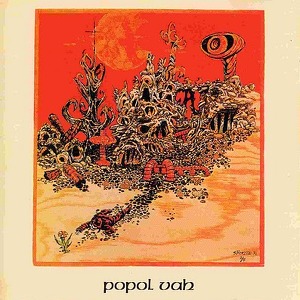 Popol Vuh
Popol Vuh
Popol Vuh
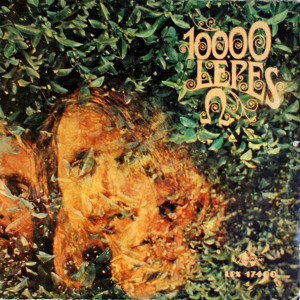 Omega
10000 Lépés
Omega
10000 Lépés
 Gentle Giant
Interview
Gentle Giant
Interview
 Hoola Bandoola Band
På Väg
Hoola Bandoola Band
På Väg
 Redd
Tristes Noticias Del Imperio
Redd
Tristes Noticias Del Imperio
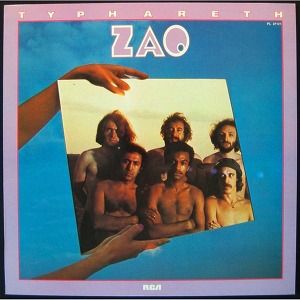 ZAO
Typhareth
ZAO
Typhareth