



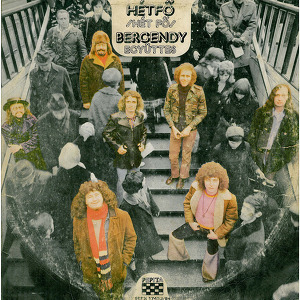
 Bergendy
Hétfő
Bergendy
Hétfő
Hungary 1973
SOLD OUT
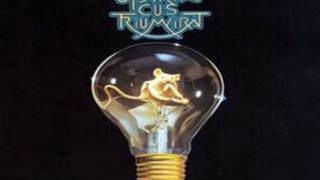
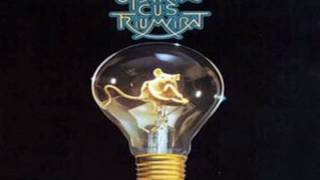
Spartacus
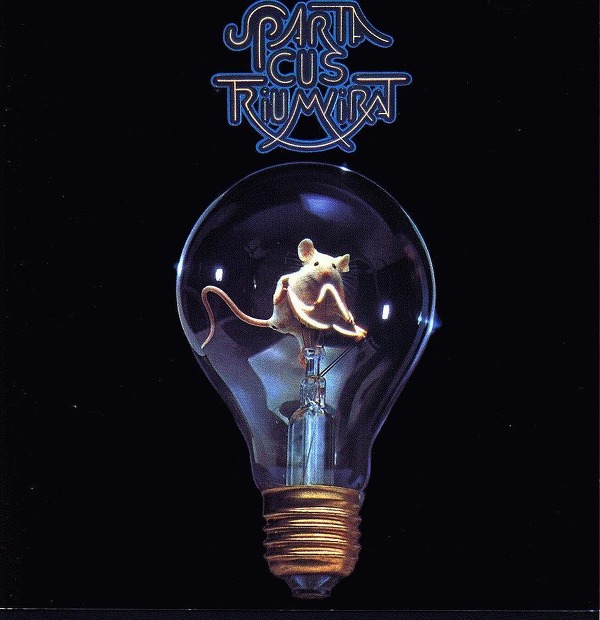

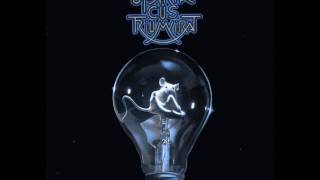
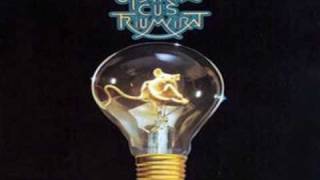
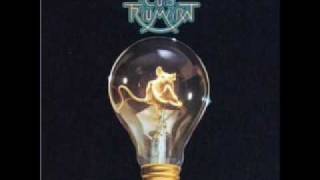
"Spartacus," released in May 1975, is the highest-charting studio album by the German progressive rock band Triumvirat. This album was published under the Harvest label in Germany and reached number 27 on the US Billboard 200 album chart. Its success was fueled by significant FM radio airplay and extensive touring across North America. The album is a concept piece that narrates the historical events of the 73 BC slave revolt led by the gladiator Spartacus against the Roman Empire.
The album features a blend of rock and classical influences, showcasing the musicianship of the trio. Jürgen Fritz, the primary composer, plays the Hammond C3 organ, Steinway grand piano, Fender Rhodes electric piano, Minimoog, and Solina string ensemble. His rapid Minimoog solos and classical piano arpeggios are standout elements. Helmut Köllen contributes with his bass guitar and lead vocals, delivering soulful melodies throughout the album, while Hans Bathelt handles the drums and percussion, as well as the concept and lyrics.
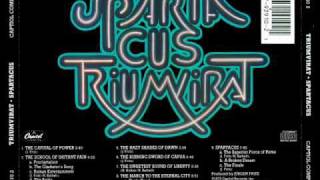
"Spartacus" consists of nine continuous tracks that weave a narrative through music. The album opens with "The Capital Of Power," setting the tone for the unfolding story. One notable track is "The Deadly Dream Of Freedom," a poignant ballad that reflects the emotional weight of the narrative. The suite "The March To The Eternal City" unfolds over 8 minutes, illustrating the epic journey of Spartacus and his followers. The album concludes with the symphonic finale titled "Spartacus," which encapsulates the themes presented throughout the project.
The recording took place at EMI Electrola Studios in Cologne, Germany, between February and March 1975. Sound recording engineers Wolfgang Thierbach and Geoffrey Haslam captured the intricate arrangements and performances that define this album. "Spartacus" marks Helmut Köllen's final studio LP with Triumvirat before he pursued a solo career.
Triumvirat's "Spartacus" is recognized for its ambitious storytelling and complex musical arrangements. The blend of rock instrumentation with classical elements exemplifies the band's unique sound during this era of progressive rock. The album features a prominent use of synthesizers, particularly the Minimoog, which became a hallmark of the band's style.
The album was released on May 1, 1975, and is categorized under labels Harvest and EMI Electrola.
| A1 | The Capital Of Power | 3:13 |
| The School Of Instant Pain | ||
| A3 | The Walls Of Doom | 3:57 |
| A4 | The Deadly Dream Of Freedom | 3:55 |
| A5 | The Hazy Shades Of Dawn | 3:10 |
| B1 | The Burning Sword Of Capua | 2:41 |
| B2 | The Sweetest Sound Of Liberty | 2:36 |
| The March To Eternal City | ||
| Spartacus | ||
SOLD OUT


 Bergendy
Hétfő
Bergendy
Hétfő
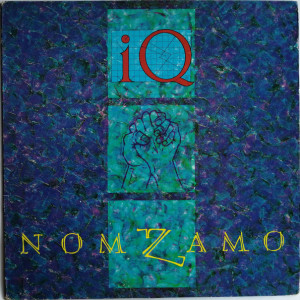 IQ
Nomzamo
IQ
Nomzamo
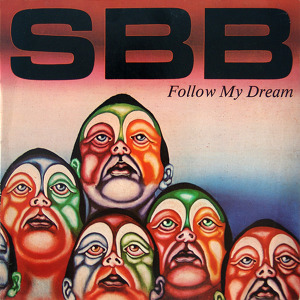 SBB
Follow My Dream
SBB
Follow My Dream
 Stud
Goodbye (Live At Command)
Stud
Goodbye (Live At Command)
 Curved Air
Air Cut
Curved Air
Air Cut
 Egg
The Polite Force
Egg
The Polite Force
 Out Of Focus
Out Of Focus
Out Of Focus
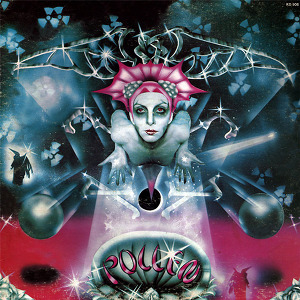 Pollen
Pollen
Pollen
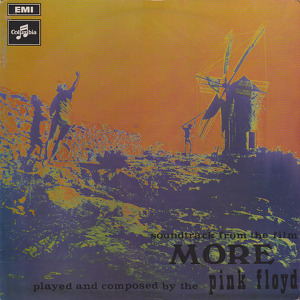 Pink Floyd
Soundtrack From The Film More
Pink Floyd
Soundtrack From The Film More
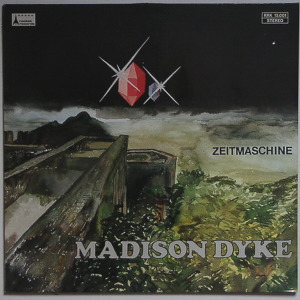 Madison Dyke
Zeitmaschine
Madison Dyke
Zeitmaschine
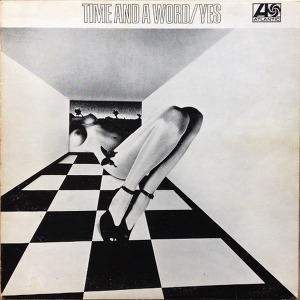 Yes
Time And A Word
Yes
Time And A Word
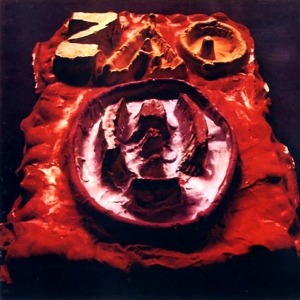 ZAO
Shekina
ZAO
Shekina