







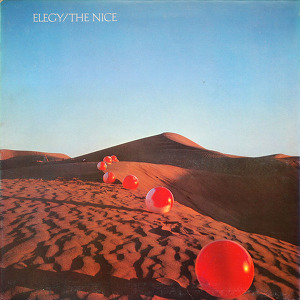
 The Nice
Elegy
The Nice
Elegy
SOLD OUT
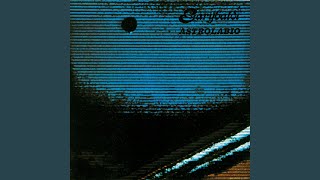
Astrolabio
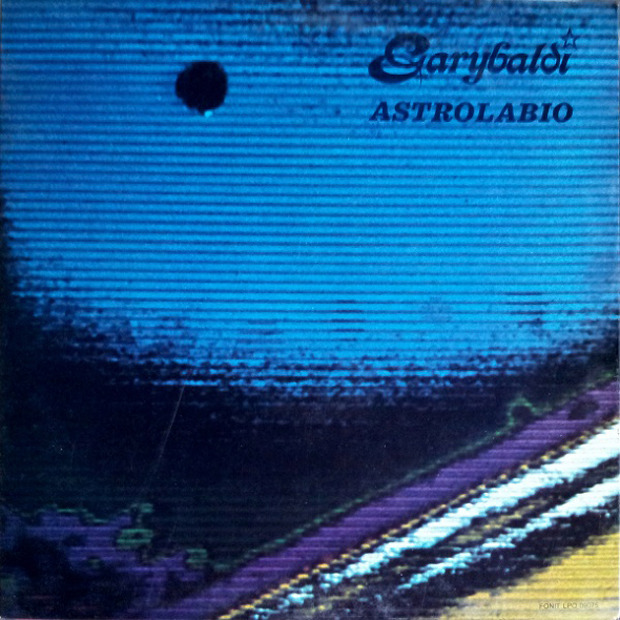


Astrolabio is the second studio album by the Italian progressive rock band Garybaldi. This album was recorded in Milan and released in 1973 under the Fonit label. The band, which evolved from I Gleemen, features a lineup that includes guitarist and vocalist Pier Niccolò "Bambi" Fossati, organist and keyboardist Lio Marchi, bassist Sandro Serra, and drummer Maurizio Cassinelli. The album is pressed on vinyl and comes in a die-cut gatefold sleeve that reveals an astrolabe illustration.
The production of Astrolabio was overseen by Maurizio Salvadori, with engineering contributions from Plinio Chiesa and Giancarlo Jametti. The album features two extended tracks that dominate its runtime. Side A presents "Madre Di Cose Perdute," a structured studio composition lasting approximately 20 minutes. Side B contains "Sette?" which runs for around 21 minutes and was recorded live-in-the-studio before a select audience. This format allows for a compelling juxtaposition between polished studio work and raw live energy.
The music on Astrolabio blends elements of psychedelic rock, heavy blues, and symphonic progressive rock. Fossati's guitar work is marked by heavy fuzz effects, wah-wah tones, and atmospheric soundscapes often referred to as "chitarra cosmica." Lio Marchi's contributions on Hammond organ and Mellotron add depth and texture, while the rhythm section of Serra and Cassinelli provides a dynamic backbone. The interplay between the guitar and keyboards creates a rich sonic tapestry that characterizes the album.
Both tracks on Astrolabio serve as conceptual suites that explore various themes and musical ideas. "Madre Di Cose Perdute" combines structured songwriting with improvisational elements, allowing for fluctuations in tempo and mood. In contrast, "Sette?" leans into a more spontaneous feel, taking advantage of the live recording context to showcase the band's synergy and creativity. The album’s thematic depth is complemented by its ambitious musical arrangement.
Astrolabio was released in 1973 and carries the catalog number LPQ 09079 / LPQ 09075. This album represents a significant entry in the Italian progressive rock scene of the 1970s.
| A | Madre Di Cose Perdute | 20:30 |
| B | Sette? | 21:18 |
SOLD OUT


 The Nice
Elegy
The Nice
Elegy
 Curved Air
Air Cut
Curved Air
Air Cut
 Murphy Blend
First Loss
Murphy Blend
First Loss
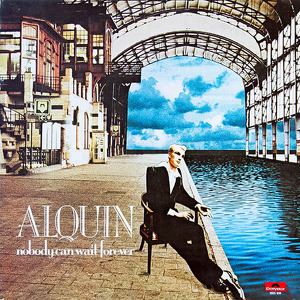 Alquin
Nobody Can Wait Forever
Alquin
Nobody Can Wait Forever
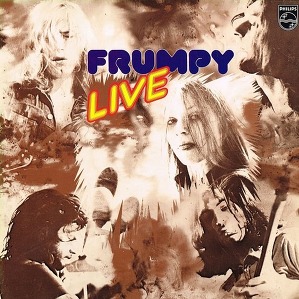 Frumpy
Live
Frumpy
Live
 Gabor Szabo
Femme Fatale
Gabor Szabo
Femme Fatale
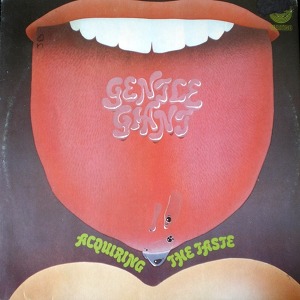 Gentle Giant
Acquiring The Taste
Gentle Giant
Acquiring The Taste
 Emerson, Lake & Palmer
Emerson, Lake & Palmer
Emerson, Lake & Palmer
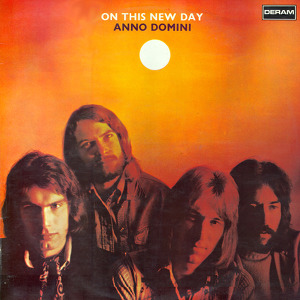 Anno Domini
On This New Day
Anno Domini
On This New Day
 Satisfaction
Satisfaction
Satisfaction
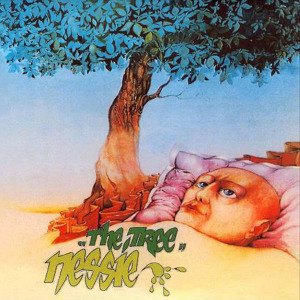 Nessie
The Tree
Nessie
The Tree
 La Máquina De Hacer Pájaros
Películas
La Máquina De Hacer Pájaros
Películas