





 SBB
Follow My Dream
SBB
Follow My Dream
Poland 1978
SOLD OUT
La Máquina De Hacer Pájaros

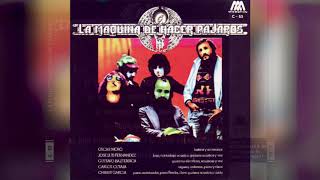
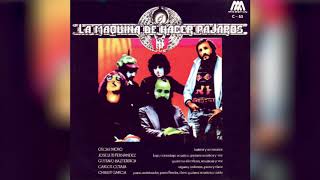
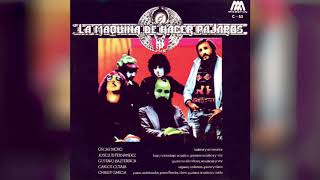
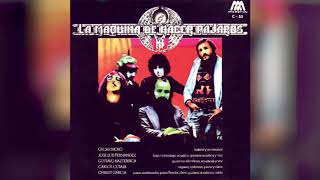
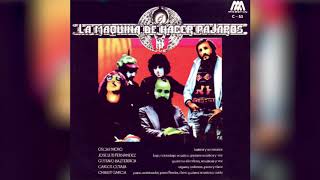
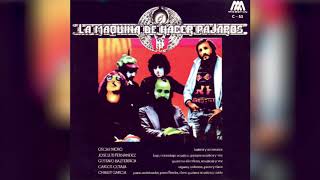
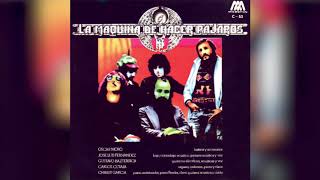
La Máquina De Hacer Pájaros is the self-titled debut album of the Argentine progressive rock supergroup of the same name. Released in November 1976 by Talent / Microfón (catalog SE-663), this album marked a new chapter for its members, particularly for Charly García, who had just concluded his work with Sui Generis. The group includes notable musicians like Carlos Cutaia, Gustavo Bazterrica, José Luis Fernández, and Oscar Moro, all of whom have made significant contributions to the Argentine rock scene.
The album features a dual-keyboard arrangement that highlights the intricate musicianship of García and Cutaia. García plays the acoustic piano, Fender Rhodes, ARP synthesizers, and Clavinet, while Cutaia handles the Hammond organ, Mellotron, and additional keyboards. This combination creates a rich sound that draws inspiration from bands like Yes and Genesis, bringing symphonic progressive rock into the Argentine music landscape.
La Máquina De Hacer Pájaros consists of seven tracks that explore various musical styles. The opening track, "Bubulina," sets an ambitious tone with its sweeping melodies. The second track, "Como Mata El Viento Norte," incorporates folk elements, showcasing the band's versatility. "Boletos, Pases Y Abonos," composed by Pino Marrone, introduces a jazz-infused progressive sound. Other tracks like "No Puedo Verme Más" and "Rock" further illustrate the band's eclectic approach. The album culminates with the 11-minute epic "Ah, Te Vi Entre Las Luces," which showcases the band's technical prowess.
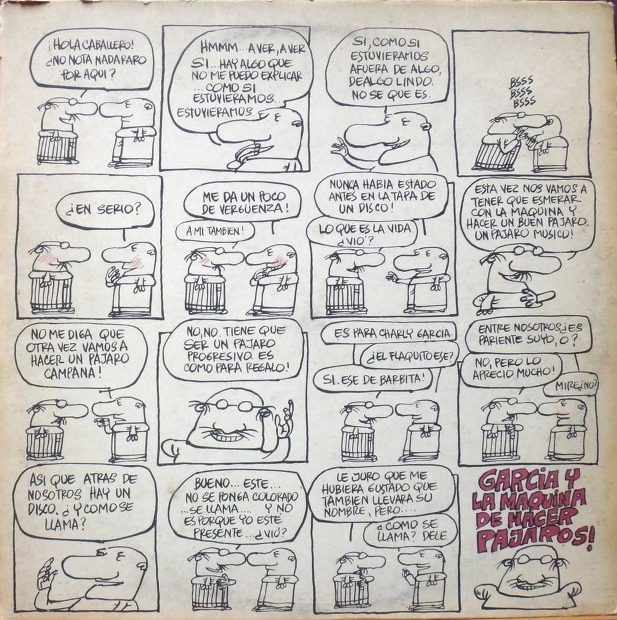
This album was recorded at Estudios Ion in Buenos Aires, Argentina. The sound engineering was handled by Alejandro Torres and Osvaldo Acedo, who captured the band's complex arrangements and dynamic performances. The cover illustrations were created by Cristóbal Reinoso, known as Crist, while the design was managed by Juan Oreste Gatti. The collaborative effort behind the album reflects the significant talent involved in its production.
La Máquina De Hacer Pájaros is recognized for its innovative sound and intricate compositions, featuring a blend of rock and symphonic elements. The album's release in 1976 marked a key moment in Argentine progressive rock history.
| A1 | Bubulina | 5:35 |
| A2 | Como Mata El Viento Norte Backing Vocals [Coros] – Maria Rosa YorioBacking Vocals [Coros] – Nito Mestre | 2:44 |
| A3 | Boletos, Pases Y Abonos Written-By – Pino Marrone | 6:30 |
| A4 | No Puedo Verme Más Backing Vocals [Coros] – Ana QuatranoBacking Vocals [Coros] – Hector Menguis | 4:15 |
| B1 | Rock | 4:06 |
| B2 | Por Probar El Vino Y El Agua Salada | 3:22 |
| B3 | Ah, Te Vi Entre Las Luces | 11:09 |
SOLD OUT


 SBB
Follow My Dream
SBB
Follow My Dream
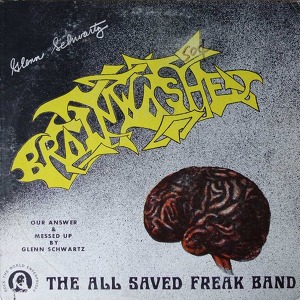 All Saved Freak Band
Brainwashed
All Saved Freak Band
Brainwashed
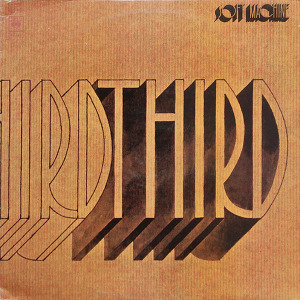 Soft Machine
Third
Soft Machine
Third
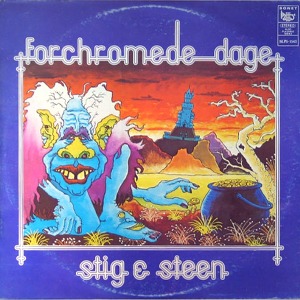 Stig & Steen
Forchromede Dage
Stig & Steen
Forchromede Dage
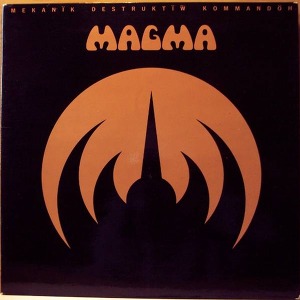 Magma
Mekanïk Destruktïw Kommandöh
Magma
Mekanïk Destruktïw Kommandöh
 Novela
In The Night
Novela
In The Night
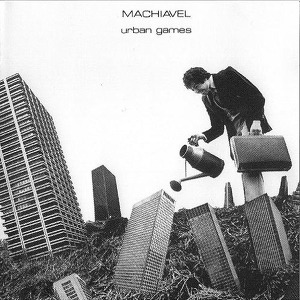 Machiavel
Urban Games
Machiavel
Urban Games
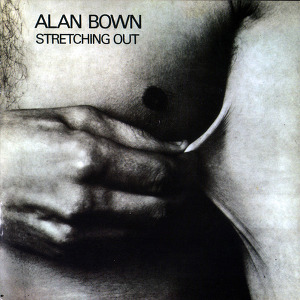 Alan Bown
Stretching Out
Alan Bown
Stretching Out
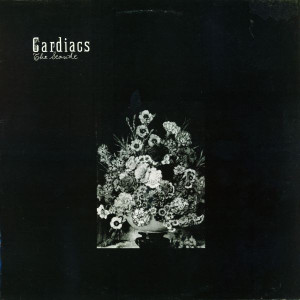 Cardiacs
The Seaside
Cardiacs
The Seaside
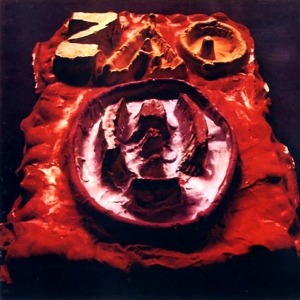 ZAO
Shekina
ZAO
Shekina
 Eloy
Silent Cries And Mighty Echoes
Eloy
Silent Cries And Mighty Echoes
 Capitolo 6
Frutti Per Kagua
Capitolo 6
Frutti Per Kagua